

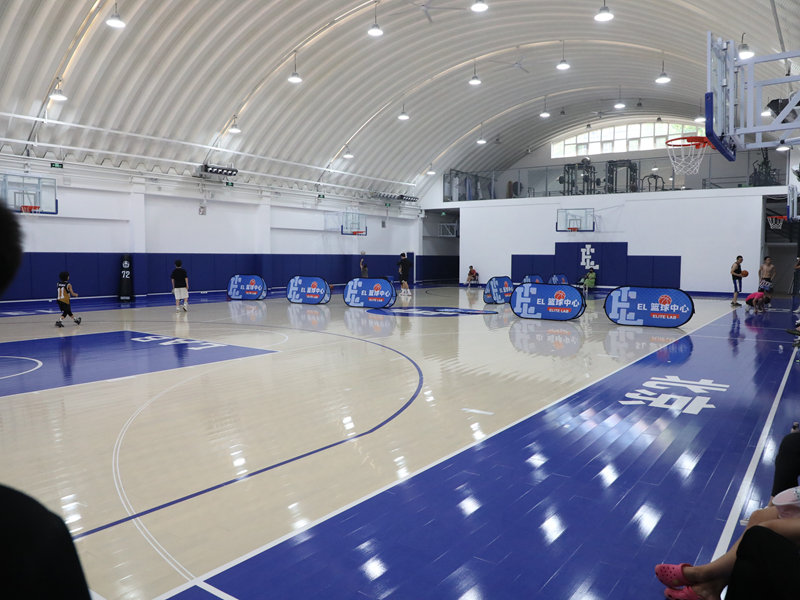
As the world becomes increasingly aware of the importance of sustainability, sports facilities are also looking for ways to reduce their environmental impact. One area where significant progress can be made is in the selection of sports flooring materials and construction methods.
Traditional sports flooring materials, such as wood and synthetic rubber, can have a significant environmental impact due to their production processes and disposal methods. Wood flooring, for example, requires the harvesting of trees, which can contribute to deforestation and habitat loss. Synthetic rubber flooring, on the other hand, is often made from petroleum-based materials, which are non-renewable and contribute to greenhouse gas emissions.
Fortunately, there are now a variety of sustainable sports flooring solutions available that can help to reduce the environmental impact of sports facilities. These include materials made from recycled content, such as recycled rubber and vinyl, as well as renewable materials like bamboo and cork. These materials are often more environmentally friendly than traditional options, as they require less energy and resources to produce and can be recycled or composted at the end of their lifespan.
In addition to using sustainable materials, sports facilities can also reduce their environmental impact by adopting green construction practices. This can include using low-VOC (volatile organic compound) adhesives and coatings, minimizing waste during the installation process, and implementing energy-efficient lighting and HVAC systems. By taking these steps, sports facilities can create a healthier and more sustainable environment for athletes and staff alike.
Leave a Reply