

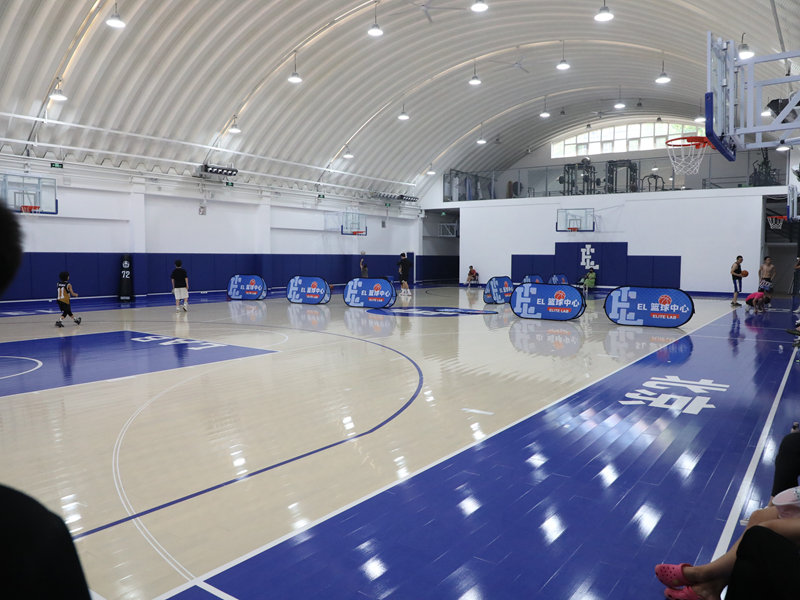
In an era where sustainability is becoming increasingly important, the environmental impact of indoor sports wood flooring is a topic of growing concern. While wood is a renewable resource, the production and disposal of wood flooring can have significant environmental consequences if not managed properly. However, with responsible sourcing and manufacturing practices, wood flooring can be a relatively eco-friendly choice for sports venues.
One of the key environmental benefits of wood flooring is its renewable nature. Unlike synthetic materials, which are derived from non-renewable fossil fuels, wood can be harvested from sustainably managed forests that are replanted and regenerated over time. This ensures a continuous supply of wood without depleting natural resources or causing long-term environmental damage.
Additionally, wood flooring has a relatively low carbon footprint compared to other materials. The production process for wood flooring typically involves less energy consumption and greenhouse gas emissions than the production of synthetic alternatives. Furthermore, wood acts as a carbon sink, storing carbon dioxide absorbed by trees during their growth. This means that wood flooring can help to mitigate climate change by reducing the amount of carbon dioxide in the atmosphere.
However, it's important to note that not all wood flooring is created equal in terms of environmental impact. Facility managers should look for wood flooring that is certified by reputable organizations like the Forest Stewardship Council (FSC), which ensures that the wood is sourced from responsibly managed forests that meet strict environmental and social standards. Additionally, choosing wood flooring with a durable finish and proper maintenance can extend its lifespan, reducing the need for frequent replacements and further minimizing its environmental impact.
Leave a Reply