

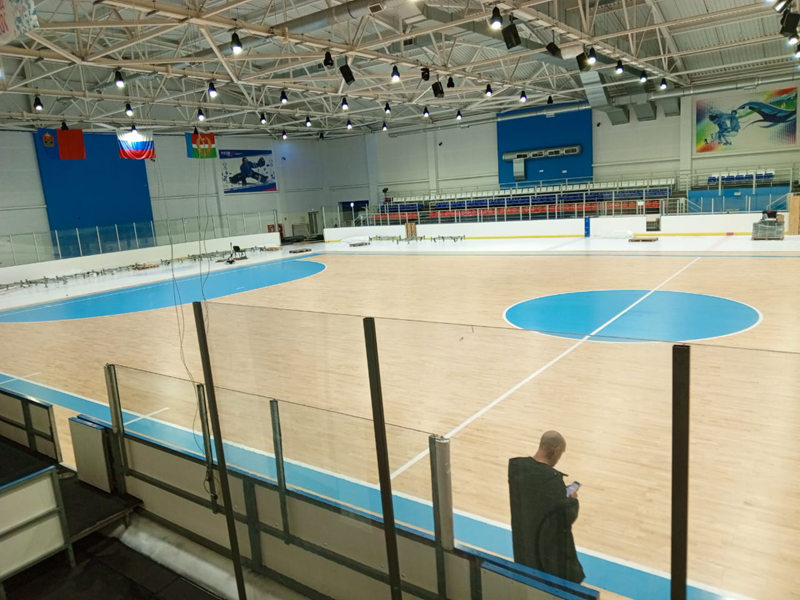
In today's environmentally conscious world, the impact of building materials on the planet is a significant consideration. Indoor sports wood flooring, when sourced and manufactured responsibly, can have a positive environmental impact compared to other types of flooring.
One of the key environmental benefits of indoor sports wood flooring is its renewable nature. Wood is a natural, renewable resource that can be harvested and replanted, ensuring a sustainable supply for future generations. Unlike non-renewable materials such as concrete or synthetic flooring, wood flooring does not deplete finite resources or contribute to environmental degradation.
Furthermore, the manufacturing process of indoor sports wood flooring can be designed to minimize waste and energy consumption. Many manufacturers use advanced technologies and processes to optimize the use of wood, reducing the amount of waste generated during production. Additionally, some manufacturers source their wood from sustainably managed forests, ensuring that the harvesting practices are environmentally responsible and do not harm local ecosystems.
Indoor sports wood flooring also has a lower carbon footprint compared to other types of flooring. The production and transportation of concrete and synthetic flooring materials often require significant amounts of energy, contributing to greenhouse gas emissions. Wood flooring, on the other hand, has a relatively low carbon footprint, especially when sourced locally and manufactured using energy-efficient processes.
Moreover, wood flooring can contribute to indoor air quality by not emitting harmful volatile organic compounds (VOCs). Some synthetic flooring materials can release VOCs into the air, which can have negative health effects on occupants. Wood flooring, when finished with low-VOC finishes, provides a healthier indoor environment for athletes and staff.
In conclusion, indoor sports wood flooring, when sourced and manufactured responsibly, can have a positive environmental impact. Its renewable nature, minimized waste and energy consumption during manufacturing, lower carbon footprint, and contribution to indoor air quality make it an environmentally friendly choice for sports facilities.
Leave a Reply