

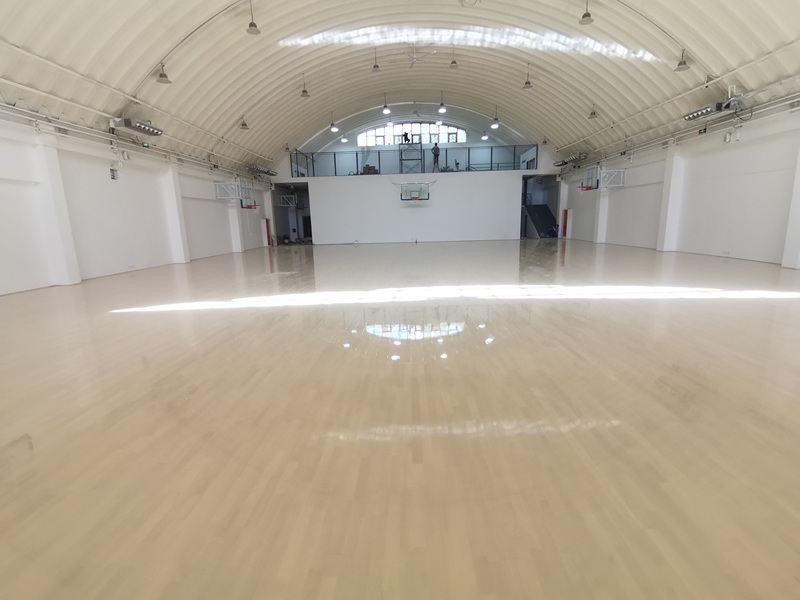
The environmental impact of indoor sports flooring choices is an increasingly important consideration for facility owners and operators. With growing awareness of climate change and resource conservation, many are seeking flooring solutions that are both sustainable and environmentally friendly.
One of the primary ways that indoor sports flooring can impact the environment is through its production process. Some flooring materials, like natural wood, require significant amounts of energy and resources to harvest, process, and transport. Additionally, the production of synthetic flooring materials like vinyl or rubber can involve the use of harmful chemicals and generate significant greenhouse gas emissions.
However, there are many eco-friendly flooring options available that minimize these environmental impacts. For example, recycled rubber flooring is made from old tires that would otherwise end up in landfills, helping to reduce waste and conserve natural resources. Similarly, some vinyl flooring manufacturers are now using recycled materials in their production process, further reducing the environmental footprint of their products.
Another way that indoor sports flooring can impact the environment is through its durability and lifespan. A floor that is prone to damage or wear and tear will need to be replaced more frequently, generating more waste and consuming more resources over time. However, a durable floor that maintains its condition for many years can reduce the need for replacements, saving resources and reducing waste.
The maintenance requirements of the flooring also play a role in its environmental impact. Some flooring materials require harsh chemicals or frequent cleaning to maintain their appearance and performance, which can have negative effects on the environment. However, eco-friendly flooring options often require minimal maintenance and can be cleaned with natural or non-toxic products, reducing their environmental impact.
Finally, the end-of-life disposal of the flooring is another important consideration. Some flooring materials, like natural wood, can be recycled or repurposed at the end of their lifespan, reducing waste and conserving resources. However, other materials, like certain types of vinyl or rubber, may be more difficult to recycle and may end up in landfills. Facility owners should consider the recyclability of their flooring choices when making their decisions.
In conclusion, the environmental impact of indoor sports flooring choices is an important consideration that should not be overlooked. Facility owners should seek out eco-friendly flooring options that minimize their environmental footprint through sustainable production processes, durability, low maintenance requirements, and recyclability.
Leave a Reply