

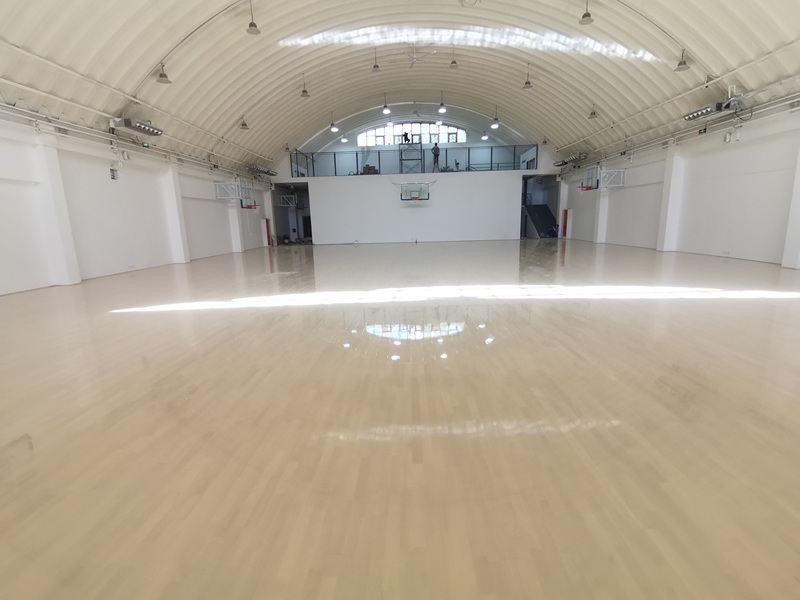
The environmental impact of indoor sports flooring is an important consideration for facility owners and managers who are committed to sustainability and reducing their carbon footprint. Here are some ways in which sports flooring can impact the environment and steps that can be taken to minimize its impact:
Material Selection: The choice of materials used for sports flooring can have a significant impact on the environment. Opt for materials that are sustainably sourced, recyclable, or made from recycled content. For example, some manufacturers offer sports flooring made from bamboo, which is a rapidly renewable resource, or recycled rubber, which reduces waste in landfills.
Manufacturing Process: The manufacturing process of sports flooring can also contribute to its environmental impact. Look for manufacturers that use energy-efficient production methods and minimize waste generation. Some manufacturers may also offer eco-friendly finishes or adhesives that are low in volatile organic compounds (VOCs), reducing indoor air pollution.
Installation and Maintenance: The installation and maintenance of sports flooring can also have environmental implications. Choose installation methods that minimize waste and use environmentally friendly adhesives or sealants. During maintenance, use eco-friendly cleaning products and avoid excessive water usage, which can contribute to water pollution.
End-of-Life Disposal: Consider the end-of-life disposal options for sports flooring when making your selection. Look for materials that can be recycled or repurposed at the end of their lifespan, rather than being sent to a landfill. Some manufacturers may offer take-back programs or recycling services to help facilitate the proper disposal of their products.
Energy Efficiency: In addition to the flooring material itself, consider the energy efficiency of the sports facility as a whole. Proper insulation, lighting, and climate control systems can help reduce energy consumption and lower the facility's carbon footprint.
In conclusion, the environmental impact of indoor sports flooring can be minimized by making informed choices about material selection, manufacturing processes, installation and maintenance practices, end-of-life disposal options, and overall energy efficiency. Facility owners and managers should prioritize sustainability when selecting and maintaining sports flooring to help protect the environment and promote a healthier planet.
Leave a Reply