

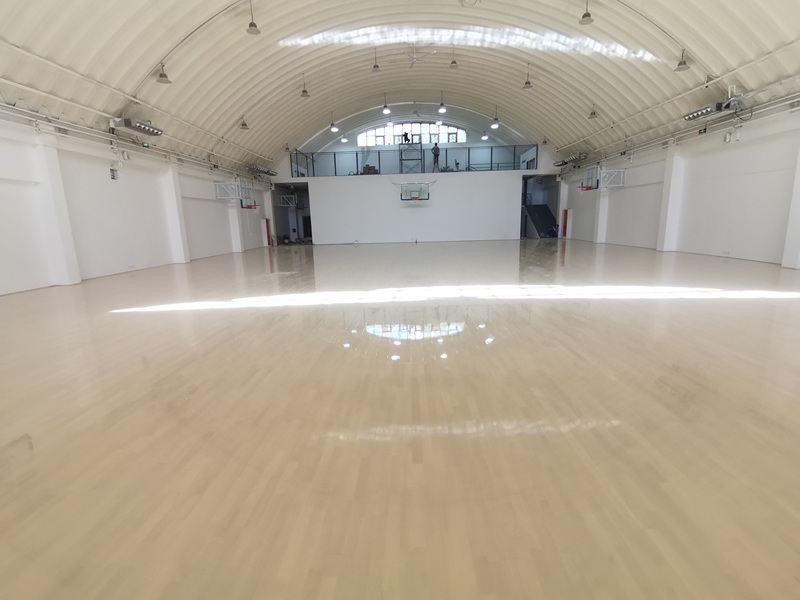
Introduction
The environmental impact of indoor basketball court wood flooring is an important consideration for facilities seeking to reduce their carbon footprint and promote sustainability. Understanding the lifecycle of wood flooring, from harvesting to disposal, can help facilities make informed choices that minimize their environmental impact.
Sustainable Harvesting
Sustainable harvesting practices are essential for reducing the environmental impact of wood flooring. Choosing wood from responsibly managed forests, certified by organizations such as the Forest Stewardship Council (FSC), ensures that the wood is harvested in a way that minimizes damage to the ecosystem and promotes reforestation.
Energy Efficiency in Production
The production of wood flooring requires energy, which can contribute to greenhouse gas emissions. Choosing manufacturers that prioritize energy efficiency and use renewable energy sources can help to reduce the carbon footprint of wood flooring. Additionally, selecting locally sourced wood can reduce transportation costs and emissions.
Recycling and Reuse
At the end of its life, wood flooring can be recycled or reused. Old wood flooring can be repurposed for other projects, such as furniture or decorative elements, reducing the need for new wood. Recycling wood flooring into mulch or biomass for energy production can also provide a sustainable end-of-life solution.
Low-VOC Finishes
The finishes used on wood flooring can contain volatile organic compounds (VOCs), which can contribute to indoor air pollution and have adverse health effects. Choosing low-VOC or zero-VOC finishes can help to reduce the environmental impact and promote a healthier indoor environment.
Lifecycle Assessment
Conducting a lifecycle assessment of indoor basketball court wood flooring can provide a comprehensive understanding of its environmental impact. This assessment considers the entire lifecycle of the wood, from harvesting to disposal, and identifies opportunities for reducing emissions, waste, and resource consumption.
Conclusion
The environmental impact of indoor basketball court wood flooring can be minimized through sustainable harvesting practices, energy-efficient production, recycling and reuse, low-VOC finishes, and lifecycle assessments. By making informed choices and implementing sustainable practices, indoor basketball facilities can reduce their carbon footprint and promote a more environmentally friendly playing environment.
Leave a Reply