

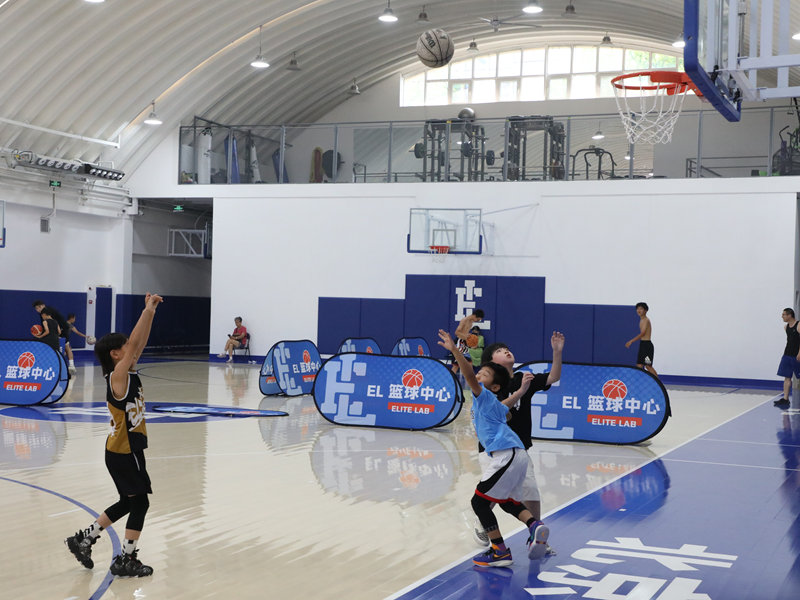
In today's world, environmental considerations are becoming increasingly important in all aspects of construction and design, including the choice of flooring materials for indoor basketball courts. Wood flooring, when sourced and processed responsibly, can be an environmentally friendly option.
One of the main environmental benefits of wood flooring is its renewable nature. Wood is a natural resource that can be replenished through sustainable forest management practices. By choosing wood from certified sustainable forests, such as those certified by the Forest Stewardship Council (FSC), consumers can ensure that the wood is harvested in a way that protects the environment, wildlife, and the rights of local communities.
The production process of wood flooring can also be relatively energy - efficient compared to some synthetic materials. Wood processing typically requires less energy in terms of raw material extraction, manufacturing, and transportation. Additionally, wood has a lower carbon footprint over its lifecycle compared to many non - renewable materials.
Wood flooring is also biodegradable at the end of its useful life. When a wooden basketball court floor reaches the end of its lifespan, the wood can be recycled or used as biomass fuel, reducing the amount of waste sent to landfills. In contrast, some synthetic flooring materials may take hundreds of years to decompose and can release harmful chemicals into the environment during the process.
However, it is important to note that not all wood flooring is environmentally friendly. Irresponsible logging practices, such as clear - cutting and illegal harvesting, can have a devastating impact on forests and the ecosystem. Therefore, it is crucial to choose wood flooring from reputable suppliers who can provide documentation of the wood's origin and sustainability.
Leave a Reply