

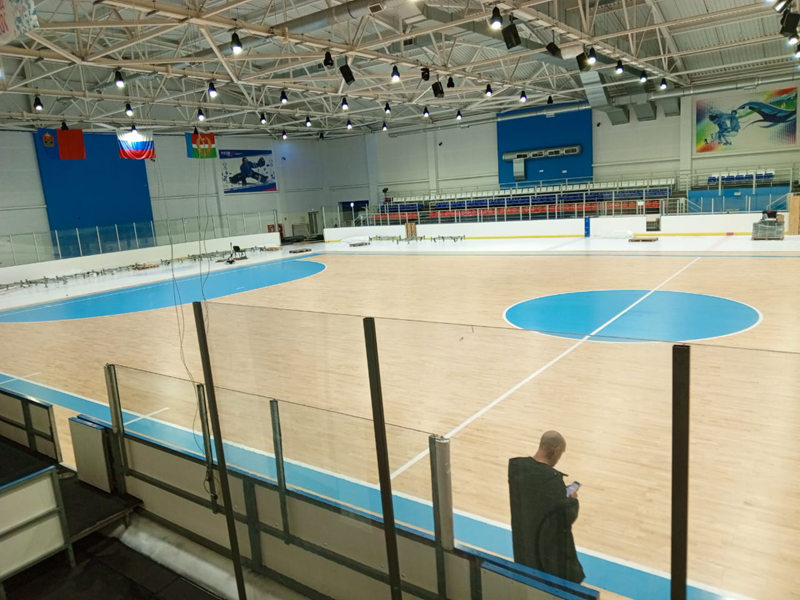
In today's world, environmental sustainability is a top priority for many organizations and individuals. When it comes to selecting flooring for indoor basketball courts, choosing wood can offer several environmental benefits that make it an attractive option.
One of the primary environmental benefits of wood flooring is its renewable nature. Unlike synthetic materials, which are often made from non-renewable resources like petroleum, wood is a natural, renewable resource that can be harvested and replanted. This means that choosing wood flooring helps reduce the demand for non-renewable resources and supports sustainable forestry practices.
Another environmental benefit of wood flooring is its low carbon footprint. The production process for wood flooring typically involves less energy and fewer emissions compared to synthetic materials. Additionally, wood acts as a carbon sink, absorbing carbon dioxide from the atmosphere as it grows. This means that wood flooring can help offset some of the carbon emissions associated with the construction and operation of indoor basketball courts.
Wood flooring is also biodegradable, which means it can break down naturally over time without releasing harmful chemicals into the environment. This is in contrast to synthetic materials, which can take hundreds of years to decompose and may release toxic substances during the process. Choosing wood flooring helps reduce the amount of waste that ends up in landfills and minimizes the environmental impact of the flooring over its lifespan.
Furthermore, wood flooring can contribute to better indoor air quality. Unlike some synthetic materials that can emit volatile organic compounds (VOCs), wood flooring is generally low in VOCs and does not contribute significantly to indoor air pollution. This can create a healthier environment for athletes and spectators alike, reducing the risk of respiratory problems and other health issues associated with poor indoor air quality.
In summary, choosing wood flooring for indoor basketball courts offers several environmental benefits, including its renewable nature, low carbon footprint, biodegradability, and contribution to better indoor air quality. These benefits make wood flooring an attractive option for facilities that prioritize sustainability and environmental responsibility.
Leave a Reply