

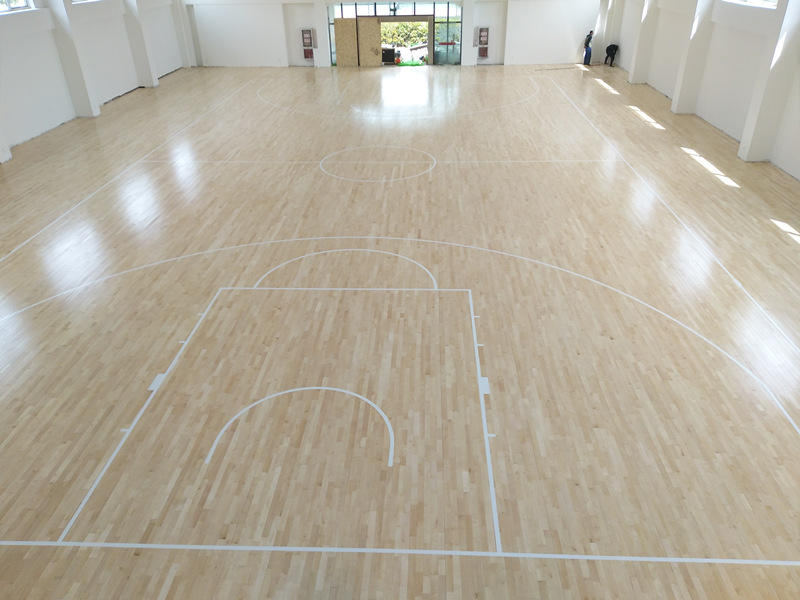
In today's world, where sustainability and environmental responsibility are becoming increasingly important, choosing sports wood flooring for your facility can be a smart and eco-friendly decision. Wood is a renewable resource that, when sourced responsibly, can have a minimal impact on the environment. Additionally, sports wood flooring offers several other environmental benefits that make it an attractive choice for sports facilities looking to reduce their carbon footprint.
First and foremost, wood is a natural and biodegradable material. Unlike synthetic flooring options such as vinyl or rubber, which can take hundreds of years to decompose in landfills, wood will naturally break down over time. This means that when the time comes to replace your sports wood flooring, the old material can be disposed of in an environmentally friendly manner, without contributing to long-term waste accumulation.
Furthermore, the production of sports wood flooring typically has a lower carbon footprint compared to synthetic alternatives. The manufacturing process for wood flooring involves less energy-intensive processes and fewer harmful chemicals than the production of vinyl or rubber flooring. Additionally, many sports wood flooring manufacturers source their wood from sustainably managed forests, where trees are replanted to replace those that are harvested. This ensures that the wood supply is renewable and that the environmental impact of harvesting is minimized.
Another environmental benefit of sports wood flooring is its ability to improve indoor air quality. Wood is a natural material that does not emit harmful volatile organic compounds (VOCs) like some synthetic flooring options do. VOCs can contribute to poor indoor air quality, which can have negative health effects on athletes and spectators alike. By choosing sports wood flooring, you can help create a healthier indoor environment for everyone who uses your facility.
Additionally, sports wood flooring can contribute to energy efficiency in your facility. Wood has natural insulating properties that can help regulate the temperature inside the building. This can reduce the need for heating and cooling systems, leading to lower energy consumption and lower utility bills. In the long run, this can translate into significant cost savings for your facility, as well as a reduced environmental impact.
Finally, sports wood flooring is durable and long-lasting, which means that it will not need to be replaced as frequently as some synthetic alternatives. This reduces the amount of waste generated over time and the need for frequent replacements, further contributing to its environmental friendliness.
In conclusion, choosing sports wood flooring for your facility is a smart and eco-friendly decision. Its natural and biodegradable nature, lower carbon footprint, ability to improve indoor air quality, contribution to energy efficiency, and durability make it an attractive choice for sports facilities looking to reduce their environmental impact. By making this choice, you can help create a healthier, more sustainable future for athletes, spectators, and the planet.
Leave a Reply