

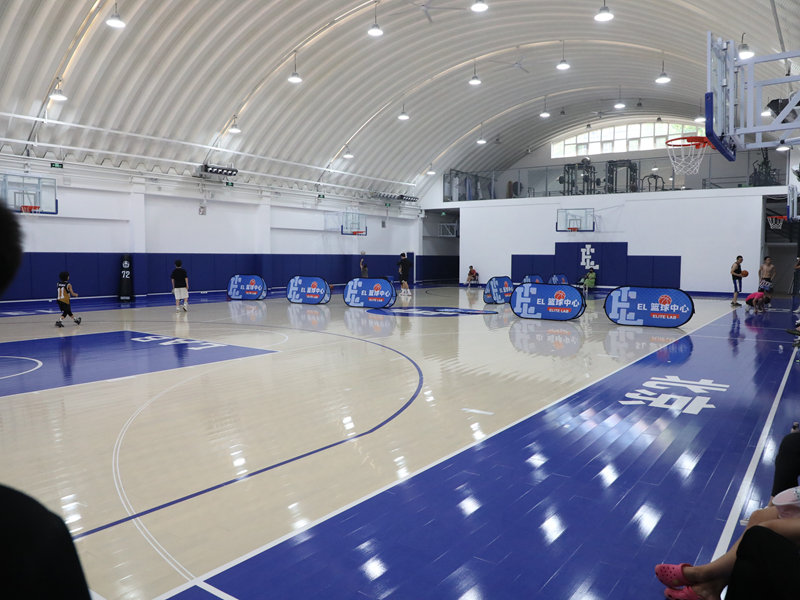
In today's world, where sustainability and environmental responsibility are increasingly important, choosing sports wood flooring can offer several environmental benefits. From responsible sourcing to energy-efficient production processes, sports wood flooring can be an eco-friendly choice for sports facilities of all sizes.
One of the primary environmental benefits of sports wood flooring is its renewable nature. Wood is a renewable resource that can be harvested and replanted, making it a sustainable choice for flooring materials. Many sports wood flooring manufacturers source their wood from responsibly managed forests, where trees are harvested in a way that ensures the long-term health and viability of the forest ecosystem. This responsible sourcing helps to reduce the environmental impact of wood production and supports sustainable forest management practices.
In addition to being renewable, wood is also a biodegradable material. At the end of its lifespan, sports wood flooring can be recycled or repurposed, reducing waste and minimizing its impact on the environment. Some manufacturers even offer take-back programs, where they will recycle or dispose of old sports wood floors in an environmentally responsible manner.
The production process of sports wood flooring can also be designed to be energy-efficient and environmentally friendly. Many manufacturers use advanced manufacturing techniques and equipment that minimize energy consumption and waste generation. Additionally, some manufacturers use water-based finishes and adhesives that are low in volatile organic compounds (VOCs), reducing indoor air pollution and improving indoor air quality.
Another environmental benefit of sports wood flooring is its durability and longevity. A well-maintained sports wood floor can last for many years, even with frequent use. This reduces the need for frequent replacements, which can be costly and wasteful. By investing in a high-quality sports wood floor, sports facilities can save money in the long run while also reducing their environmental impact.
Finally, sports wood flooring can contribute to a facility's overall energy efficiency. The natural insulating properties of wood can help to regulate indoor temperatures, reducing the need for heating and cooling systems. This can lead to lower energy consumption and reduced greenhouse gas emissions, making sports wood flooring an eco-friendly choice for sports facilities that are committed to reducing their carbon footprint.
Leave a Reply