

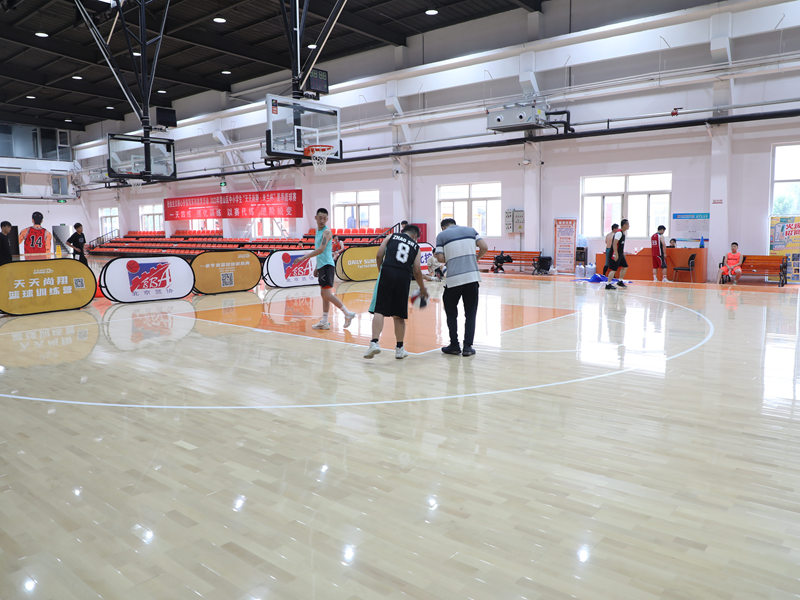
Investing in high-quality sports wood flooring is a significant decision for any sports arena, as it involves a substantial upfront cost. However, the long-term economic benefits of choosing a high-quality product often outweigh the initial investment. Here's a closer look at the economic considerations of investing in high-quality sports wood flooring.
Firstly, high-quality sports wood flooring offers superior durability and longevity compared to lower-quality alternatives. This means that the flooring will require less frequent repairs and replacements, reducing maintenance costs over time. Additionally, high-quality flooring is less likely to suffer from premature wear and tear, ensuring that it remains in optimal condition for extended periods. This durability and longevity translate into cost savings for arena operators, as they can avoid the expenses associated with frequent flooring replacements.
Secondly, high-quality sports wood flooring can enhance the overall value of the arena. A well-maintained, visually appealing floor can elevate the ambiance of the venue, making it more attractive to fans, sponsors, and event organizers. This increased attractiveness can lead to higher ticket sales, sponsorship deals, and event bookings, generating additional revenue for the arena. Additionally, a high-quality floor can enhance the reputation of the arena, positioning it as a premier destination for sports and entertainment events.
Another economic consideration is the potential for energy savings. As mentioned earlier, wood is a natural insulator that can help regulate the temperature of the arena. By choosing a high-quality sports wood flooring system that incorporates energy-efficient subfloor materials or insulation, arena operators can reduce their heating and cooling costs, leading to long-term savings on energy bills.
Finally, investing in high-quality sports wood flooring can also have a positive impact on athlete performance and safety. As discussed earlier, a high-quality floor can provide excellent traction, shock absorption, and a consistent playing surface, reducing the risk of injuries and enhancing athlete performance. This can lead to fewer injuries and
Leave a Reply