

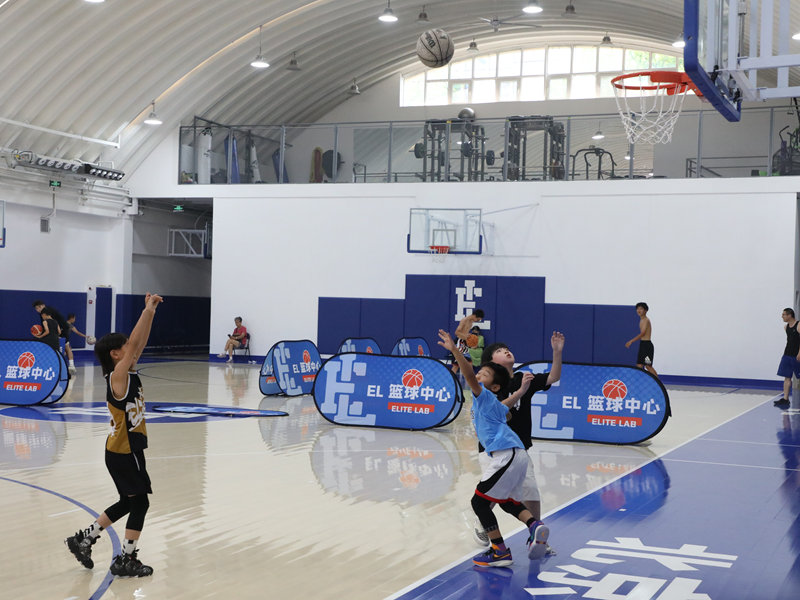
Investing in sports wood flooring can provide significant economic benefits for sports facilities. While the initial cost of wood flooring may be higher than some synthetic alternatives, its long lifespan and durability make it a cost-effective investment over time. With proper maintenance, a wood floor can last for decades, reducing the need for frequent replacements or repairs.
Furthermore, sports wood flooring can enhance the overall value of a sports facility. Its aesthetic appeal creates a professional and welcoming environment that can attract more athletes, spectators, and events. This increased activity can lead to higher revenue from ticket sales, concessions, and other sources, making the investment in wood flooring a wise financial decision.
Additionally, sports wood flooring can contribute to energy savings and reduced maintenance costs. Unlike some synthetic materials that require harsh chemicals for cleaning and maintenance, wood floors can be cleaned with mild, pH-neutral cleaners that are less harmful to the environment and more cost-effective. Furthermore, the natural insulation properties of wood can help to reduce heating and cooling costs in sports facilities, further enhancing its economic benefits.
Finally, investing in sports wood flooring can demonstrate a commitment to sustainability and environmental responsibility. As consumers become increasingly aware of the environmental impact of their choices, sports facilities that prioritize sustainable materials like wood flooring may enjoy a competitive advantage in attracting athletes and spectators who value eco-friendly practices. This can lead to increased loyalty and positive word-of-mouth, further enhancing the economic benefits of investing in sports wood flooring.
Leave a Reply