

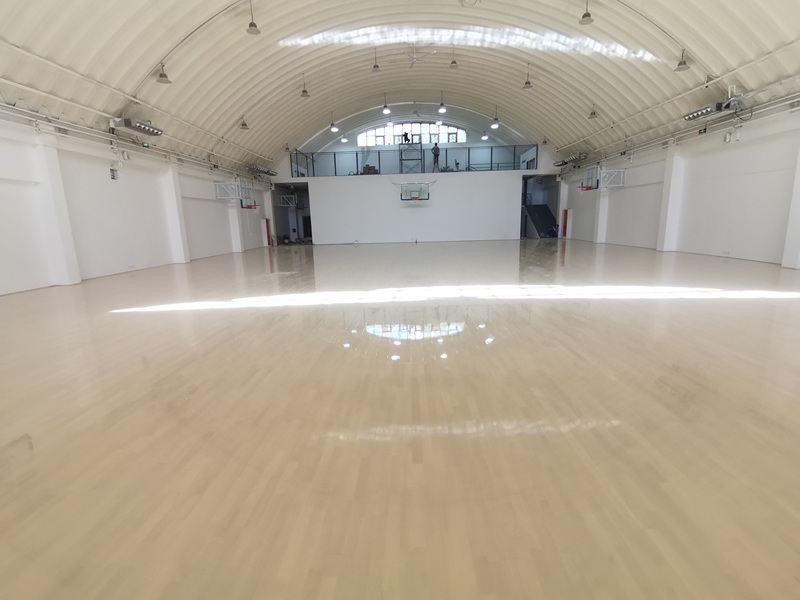
When considering the flooring options for indoor basketball courts, cost-effectiveness is an important factor to consider. Wooden flooring, despite its initial higher cost compared to some synthetic alternatives, offers several long-term benefits that make it a cost-effective choice.
Firstly, wooden flooring has a longer lifespan than many other types of flooring. With proper maintenance and care, a wooden floor can last for decades, reducing the need for frequent replacements. This longevity translates into significant cost savings over time, as the initial investment is spread out over a longer period.
Secondly, wooden flooring requires less frequent repairs and maintenance compared to some synthetic materials. The natural durability of wood, combined with its resistance to wear and tear, means that it is less likely to develop cracks, chips, or other damage. This reduces the need for costly repairs and replacements, further enhancing its cost-effectiveness.
Moreover, wooden flooring can add value to a facility. Its aesthetic appeal and high-performance characteristics make it an attractive feature for basketball enthusiasts and potential renters or buyers. This can lead to increased occupancy rates and higher rental or sale prices, offsetting the initial cost of the flooring.
Lastly, the energy efficiency of wooden flooring can also contribute to its cost-effectiveness. Wood is a natural insulator, helping to maintain a comfortable temperature in the indoor basketball court. This can reduce the need for heating or cooling systems, leading to lower energy bills and additional cost savings.
In conclusion, wooden flooring for indoor basketball courts is a cost-effective choice. Its long lifespan, reduced maintenance needs, value-adding potential, and energy efficiency make it a wise investment for facility owners and operators.
Leave a Reply