

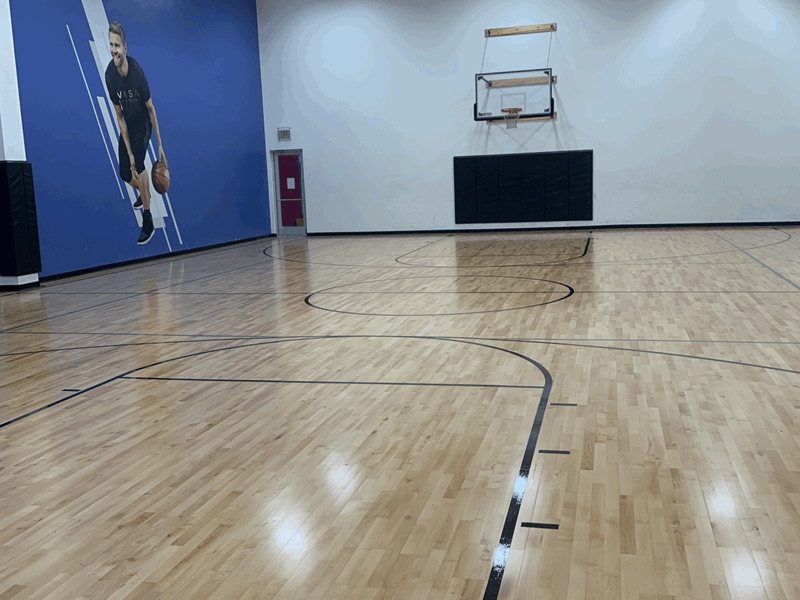
When it comes to selecting flooring for an indoor basketball court, cost is often a significant consideration. While wood flooring may have a higher initial cost compared to some other materials, its long-term cost-effectiveness makes it a wise investment for many facilities. Here, we explore the cost-effectiveness of wood flooring in indoor basketball courts and discuss why it is a valuable choice.
Firstly, wood flooring is durable and long-lasting when properly maintained. Unlike some synthetic materials that may wear out quickly or require frequent replacements, wood flooring can withstand the rigors of daily use and remain in excellent condition for many years. This durability reduces the need for costly repairs or replacements, saving facilities money in the long run.
Secondly, wood flooring requires relatively low maintenance costs compared to other materials. Regular cleaning with a damp mop and a mild cleaner is usually sufficient to keep the floor looking its best. Additionally, wood flooring does not require specialized cleaning equipment or chemicals, further reducing maintenance expenses. In contrast, some synthetic materials may require more frequent and intensive cleaning, increasing the overall cost of ownership.
Moreover, wood flooring can add value to a facility by enhancing its aesthetic appeal and creating a professional atmosphere. A well-maintained wood floor can attract more players, spectators, and events, generating additional revenue for the facility. This increased revenue can offset the initial cost of the flooring and contribute to the facility's overall financial success.
Additionally, wood flooring's shock-absorbing properties and superior traction can reduce the risk of player injuries, potentially lowering the facility's liability and insurance costs. By providing a safer playing environment, wood flooring can help facilities avoid costly legal disputes and medical expenses associated with injuries.
Finally, it's worth noting that the cost of wood flooring can vary depending on factors such as the type of wood, the quality of the finish, and the installation method. Facilities can work with reputable suppliers and installers to find a wood flooring solution that meets their budget and performance requirements. By investing in high-quality wood flooring, facilities can enjoy the benefits of a durable, low-maintenance, and visually appealing playing surface that enhances player performance and safety.
In conclusion, the cost-effectiveness of wood flooring in indoor basketball courts is evident in its durability, low maintenance costs, ability to add value to a facility, potential to reduce liability and insurance costs, and the availability of cost-effective options. By choosing wood flooring, facilities can make a wise investment that pays off in the long run.
Leave a Reply