

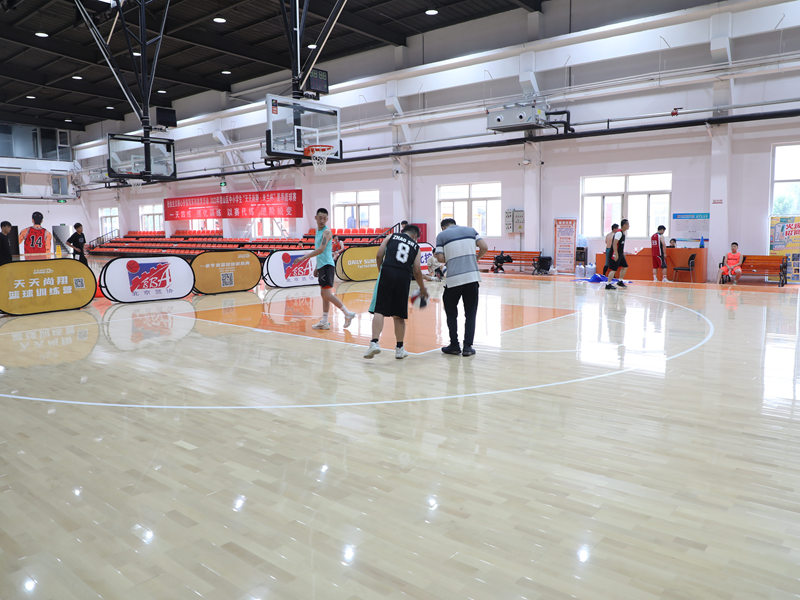
When considering the installation of sports wood flooring in your facility, it's important to look beyond the initial cost and consider the long-term savings and return on investment (ROI) that this type of flooring can provide. While sports wood flooring may have a higher upfront cost than some other flooring materials, its durability, longevity, and performance benefits can make it a cost-effective choice in the long run.
One of the key advantages of sports wood flooring is its durability. Unlike other flooring materials that may need to be replaced every few years, sports wood flooring can last for decades with proper maintenance and care. This means that you won't have to spend money on frequent replacements, reducing your long-term costs significantly.
In addition to its durability, sports wood flooring also offers energy efficiency benefits that can lead to lower heating and cooling costs. As mentioned earlier, wood is a natural insulator that helps to regulate temperature and reduce energy consumption in buildings. This can result in significant savings on your utility bills over time.
Moreover, sports wood flooring can enhance the value of your facility. A well-maintained and aesthetically pleasing sports wood floor can create a professional and inviting atmosphere that attracts more events and spectators. This can lead to increased revenue from ticket sales, concessions, and sponsorships, further improving your ROI.
Finally, it's worth noting that the performance benefits of sports wood flooring can also translate into cost savings. By providing a stable and responsive surface that reduces the risk of injuries, sports wood flooring can help to lower your facility's liability insurance costs. Additionally, by enhancing the performance of athletes, it can contribute to better results and more successful events, which can further boost your facility's reputation and revenue.
Leave a Reply