

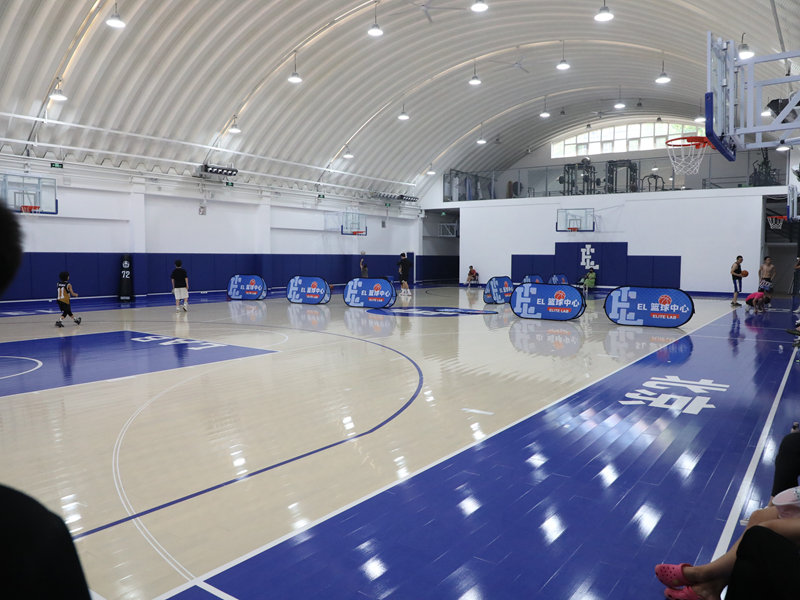
While the initial cost of sports wood flooring may be higher than some other flooring options, its cost-effectiveness in the long run makes it a wise investment for sports facilities. By considering the total cost of ownership over the lifespan of the floor, sports facilities can see the significant savings and benefits that sports wood flooring provides.
One of the primary factors contributing to the cost-effectiveness of sports wood flooring is its durability. Sports wood floors are built to withstand the rigors of daily use, withstanding the impact of jumping, running, and other athletic activities without wearing down quickly. This durability reduces the need for frequent repairs or replacements, saving sports facilities money on maintenance and replacement costs over time.
Additionally, sports wood flooring requires relatively low maintenance compared to other flooring materials. Regular cleaning and occasional refinishing are usually sufficient to keep the floor in good condition, reducing the need for expensive specialized cleaning products or services. This low-maintenance requirement translates into lower operational costs for sports facilities.
Another aspect of sports wood flooring's cost-effectiveness is its longevity. When properly maintained and refinished, a sports wood floor can last for decades, providing a durable and reliable surface for athletic activities. This long lifespan means that sports facilities don't have to invest in new flooring as frequently, further reducing their overall costs.
Furthermore, sports wood flooring can add value to a sports facility by creating a professional and inviting atmosphere. The natural beauty of wood, combined with its ability to be customized with various finishes and colors, makes it a visually appealing choice that enhances the overall experience for athletes and spectators. This added value can translate into increased revenue for sports facilities through ticket sales, sponsorships, and other sources.
Finally, sports wood flooring can also contribute to energy efficiency in sports facilities. The natural insulating properties of wood can help regulate indoor temperatures, reducing the need for heating and cooling systems to work overtime. This can lead to lower energy bills and further savings for sports facilities.
In conclusion, while the initial cost of sports wood flooring may be higher than some other options, its cost-effectiveness in the long run makes it a wise investment for sports facilities. Its durability, low maintenance requirements, longevity, added value, and potential for energy efficiency all contribute to significant savings and benefits over time.
Leave a Reply