

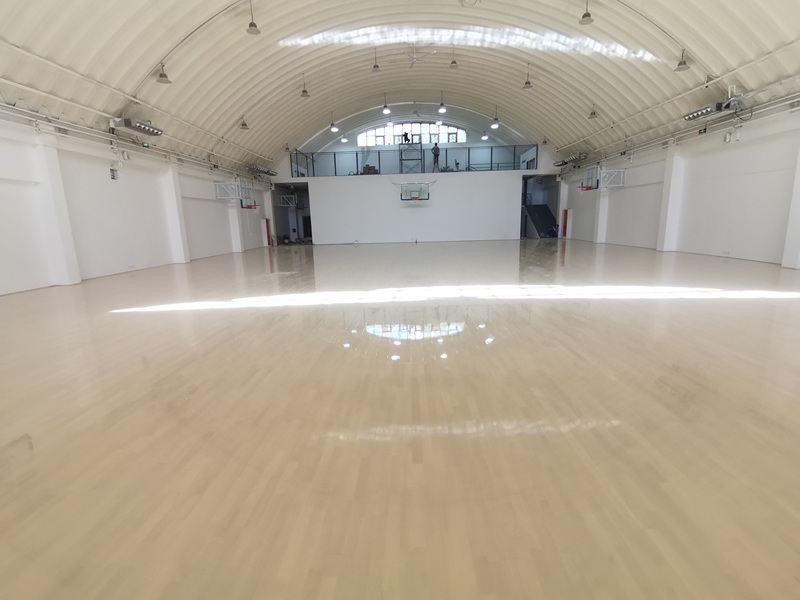
While the initial cost of sports wood flooring may be higher than some other flooring materials, its long-term cost-effectiveness makes it a wise investment for sports facilities. By considering the total cost of ownership over the lifespan of the floor, sports facilities can see that sports wood flooring offers significant savings and benefits.
One of the primary advantages of sports wood flooring in terms of cost-effectiveness is its durability. A well-maintained wood floor can last for decades, reducing the need for frequent replacements and the associated costs. In contrast, some other flooring materials may require replacement every few years, leading to higher long-term costs.
Another aspect of sports wood flooring that contributes to its cost-effectiveness is its low maintenance requirements. While regular cleaning and periodic refinishing are necessary, these tasks are relatively straightforward and can be performed by in-house staff or a professional maintenance company. This reduces the need for expensive specialized maintenance equipment or services.
Additionally, sports wood flooring can add value to a sports facility by enhancing its aesthetic appeal and creating a more inviting atmosphere for athletes and spectators. This can lead to increased attendance and revenue for the facility, further offsetting the initial cost of the flooring.
In summary, sports wood flooring is a cost-effective choice for sports facilities when considering its durability, low maintenance requirements, and ability to add value to the facility. By making a long-term investment in sports wood flooring, sports facilities can enjoy significant savings and benefits over the lifespan of the floor.
Leave a Reply