

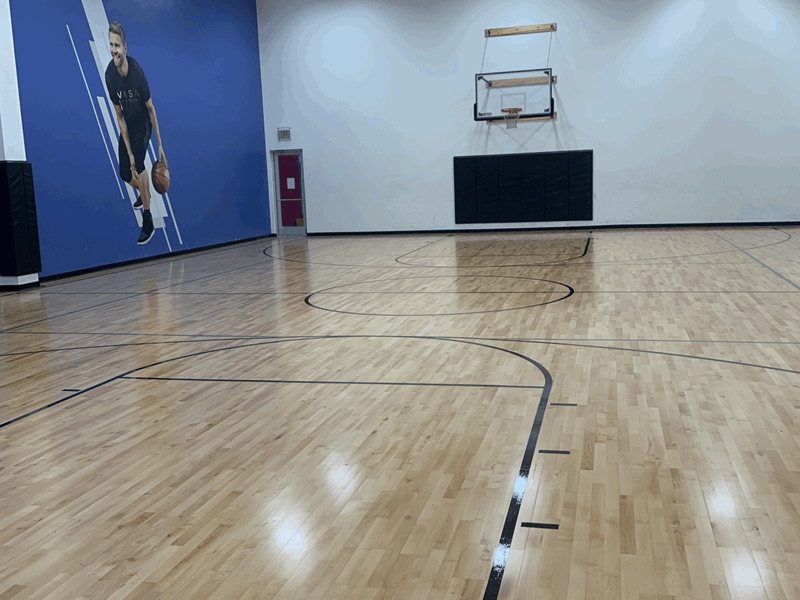
When considering the installation of sports wood flooring in a facility, cost is often a significant factor. While the initial investment may be higher compared to other types of flooring, sports wood flooring offers long-term cost-effectiveness that makes it a wise investment for facility managers. In this article, we will explore the cost-effectiveness of sports wood flooring and why it is a valuable long-term investment.
Initial Investment vs. Long-Term Savings:
The initial cost of sports wood flooring can be higher than that of other types of flooring, such as vinyl or rubber. However, this initial investment is offset by the long-term savings that sports wood flooring provides. Its durability and longevity mean that it does not need to be replaced as frequently as other types of flooring, reducing the overall cost of ownership over time. Additionally, the low maintenance requirements of sports wood flooring further contribute to its cost-effectiveness, as it does not require frequent repairs or replacements due to wear and tear.
Enhanced Performance and Safety:
Sports wood flooring is designed to enhance the performance and safety of athletes, which can lead to indirect cost savings for facility managers. By providing a consistent and stable playing surface, sports wood flooring reduces the risk of injuries, which can result in lower medical costs and fewer insurance claims. Additionally, the improved performance of athletes on sports wood flooring can lead to better results and increased attendance at events, generating more revenue for the facility.
Aesthetic Appeal and Facility Value:
The aesthetic appeal of sports wood flooring can also contribute to its cost-effectiveness. A well-maintained sports wood floor can increase the value of a facility, making it more attractive to potential renters or buyers. This can lead to higher rental rates or sale prices, providing a return on the initial investment in the flooring. Additionally, the professional and inviting atmosphere created by sports wood flooring can help to attract more events and audiences, further increasing revenue for the facility.
Versatility and Adaptability:
Sports wood flooring is versatile and adaptable, allowing it to be used for a wide range of sports activities and events. This versatility reduces the need for multiple types of flooring in a facility, saving on installation and maintenance costs. Additionally, the ability to host multiple types of events on sports wood flooring can increase the utilization rate of the facility, generating more revenue and justifying the initial investment.
Energy Efficiency and Sustainability:
As discussed in previous articles, sports wood flooring can be sourced from sustainably managed forests or made from recycled or reclaimed materials, contributing to sustainability and energy efficiency. While these practices may not directly translate into cost savings, they can enhance the reputation of the facility and attract environmentally conscious clients and audiences, leading to increased revenue and a positive impact on the bottom line.
In conclusion, sports wood flooring is a cost-effective long-term investment for facility managers. Its durability, low maintenance requirements, enhanced performance and safety, aesthetic appeal, versatility, and sustainability all contribute to its value and justify the initial investment. By choosing sports wood flooring, facility managers can create a high-quality sports environment that attracts more events and audiences, generates more revenue, and provides a positive return on investment over time.
Leave a Reply