

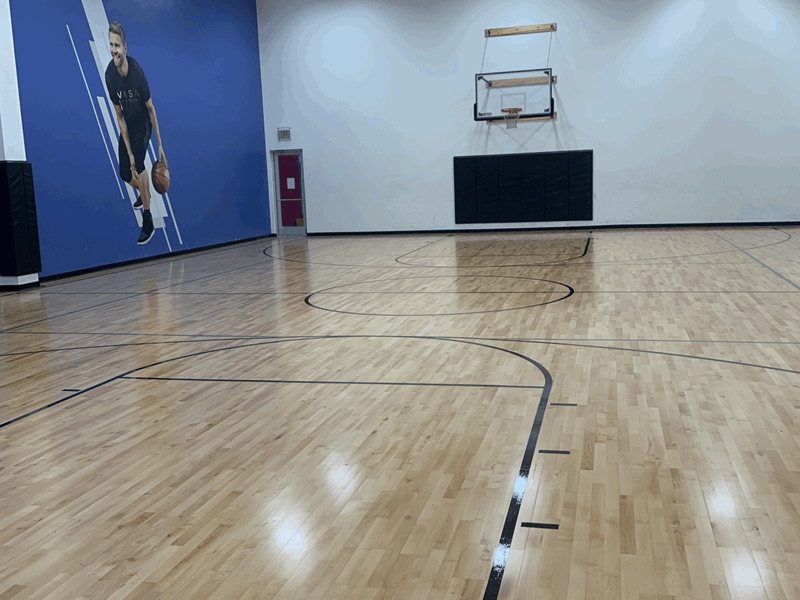
While the initial cost of sports wood flooring may be higher than some other flooring options, its long-term cost-effectiveness makes it a wise investment for sports facilities.
One of the primary factors contributing to the cost-effectiveness of sports wood flooring is its durability. When properly maintained, sports wood flooring can last for decades, outlasting many other flooring materials. This longevity reduces the need for frequent replacements, saving sports facilities money in the long run.
Another cost-saving aspect of sports wood flooring is its low maintenance requirements. Regular cleaning and occasional resurfacing are typically all that is needed to keep the floor in good condition. Compared to other flooring materials that may require more frequent or specialized maintenance, sports wood flooring offers a lower total cost of ownership.
Sports wood flooring also contributes to energy efficiency in sports facilities. Its natural insulating properties can help reduce heating and cooling costs, particularly in areas with extreme temperatures. Additionally, the reflective properties of wood flooring can enhance natural lighting, reducing the need for artificial lighting and further lowering energy costs.
Furthermore, sports wood flooring can increase the value of a sports facility. Its aesthetic appeal and high-performance characteristics make it an attractive feature for potential renters or buyers, potentially increasing the facility's resale value or rental income.
Finally, the safety and performance benefits of sports wood flooring can also translate into cost savings. By reducing the risk of injuries, sports facilities may see a decrease in insurance claims and medical expenses. Additionally, the optimal playing surface provided by sports wood flooring can enhance athlete performance, potentially leading to better results and increased revenue for the facility.
In conclusion, while the initial cost of sports wood flooring may be higher, its durability, low maintenance requirements, energy efficiency, value-adding potential, and safety and performance benefits make it a cost-effective choice for sports facilities in the long run.
Leave a Reply