

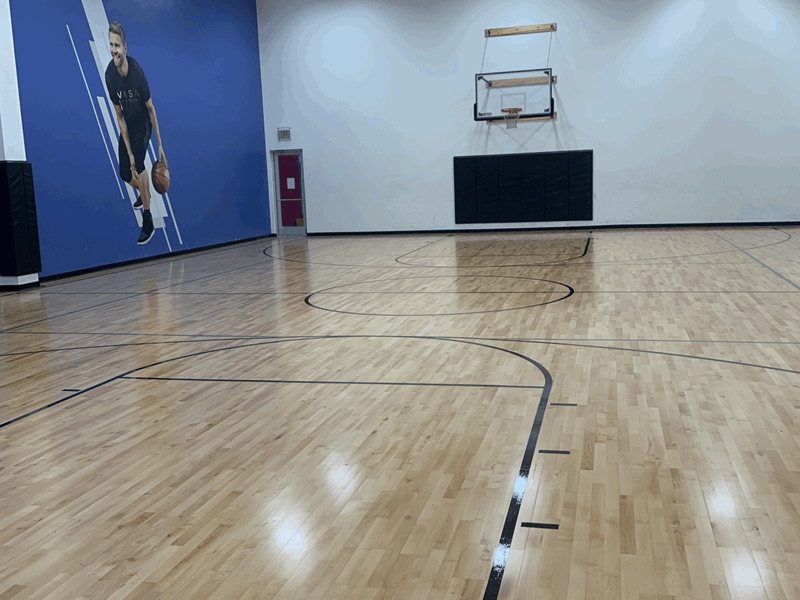
When selecting sports flooring, cost is often a significant consideration for sports facilities. However, it's important to remember that the cheapest option may not always be the most cost-effective in the long run. By investing in high-quality sports flooring that is durable, safe, and performs well, sports facilities can save money on repairs, replacements, and potential injuries over time.
The cost of sports flooring can vary widely depending on the material used, the construction quality, and the size of the facility. Wood flooring, for example, is often more expensive than synthetic rubber or vinyl flooring due to the cost of the raw materials and the installation process. However, wood flooring can also provide a premium look and feel that may be worth the extra cost for some sports facilities.
When evaluating the cost-effectiveness of sports flooring, it's important to consider not only the initial purchase price but also the long-term costs associated with maintenance, repairs, and replacements. High-quality sports flooring that is properly maintained can last for many years, reducing the need for frequent repairs or replacements. On the other hand, low-quality flooring may require more frequent maintenance and repairs, leading to higher long-term costs.
Additionally, the safety and performance benefits of high-quality sports flooring can also contribute to its cost-effectiveness. By reducing the risk of injuries and improving athletic performance, high-quality flooring can help to create a safer and more enjoyable environment for athletes, which can lead to increased participation and satisfaction. This, in turn, can help to attract more members or spectators to the sports facility, generating additional revenue and justifying the initial investment in high-quality flooring.
Leave a Reply