

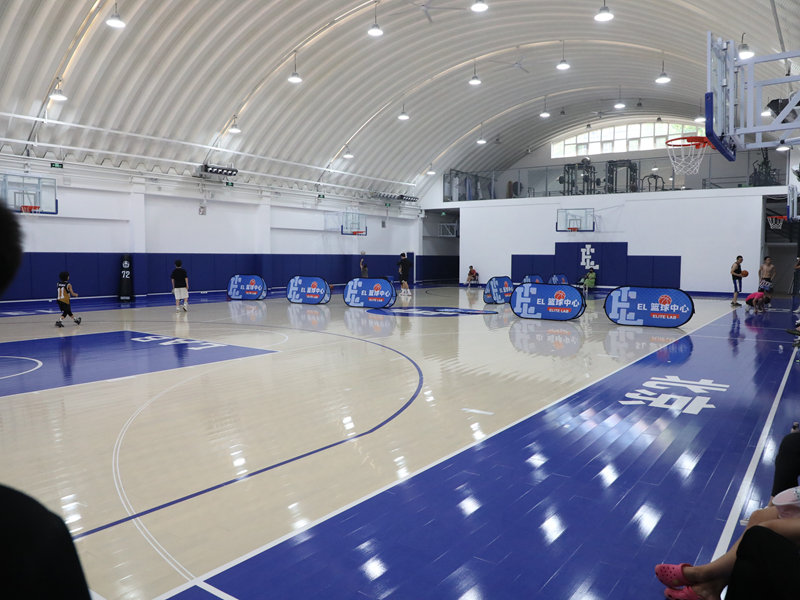
When considering the cost of indoor sports flooring, it's important to look beyond the initial purchase price and consider the long-term savings and value that wood flooring can provide. While wood flooring may have a higher upfront cost compared to some other flooring materials, its durability, performance, and versatility make it a cost-effective choice for sports facilities in the long run.
One of the primary ways that indoor sports wood flooring provides cost savings is through its durability. With proper care and maintenance, a wood floor can last for many years, often outlasting synthetic or concrete flooring options. This means that sports facilities won't need to replace their flooring as frequently, reducing the overall cost of ownership over time. Additionally, the durability of wood flooring means that it can withstand the wear and tear of regular use without showing significant signs of wear or damage, maintaining its appearance and performance for longer.
Another cost-saving aspect of indoor sports wood flooring is its low maintenance requirements. Compared to some other flooring materials that may require frequent cleaning, sealing, or resurfacing, wood flooring is relatively easy to maintain. Regular sweeping, vacuuming, and damp mopping are usually sufficient to keep the floor clean and in good condition. Periodic refinishing may be necessary to restore the floor's appearance and performance, but this is typically a less frequent and less costly process compared to other flooring maintenance tasks.
In addition to its durability and low maintenance requirements, indoor sports wood flooring also offers versatility and multi-purpose use, which can provide additional cost savings for sports facilities. Wood flooring can be used for a wide range of sports and activities, from basketball and volleyball to dance and gymnastics. This means that sports facilities don't need to invest in multiple types of flooring for different activities, reducing the overall cost of flooring installation and maintenance.
Furthermore, the performance-enhancing properties of indoor sports wood flooring can also contribute to cost savings by reducing the risk of injury and improving athlete performance. A well-designed and maintained wood floor can provide athletes with the support and protection they need to perform at their best, reducing the likelihood of injuries that could result in medical expenses, lost training time, and decreased team performance. Additionally, improved athlete performance can lead to better results and increased success for sports teams, which can have a positive impact on the facility's reputation and revenue.
Leave a Reply