

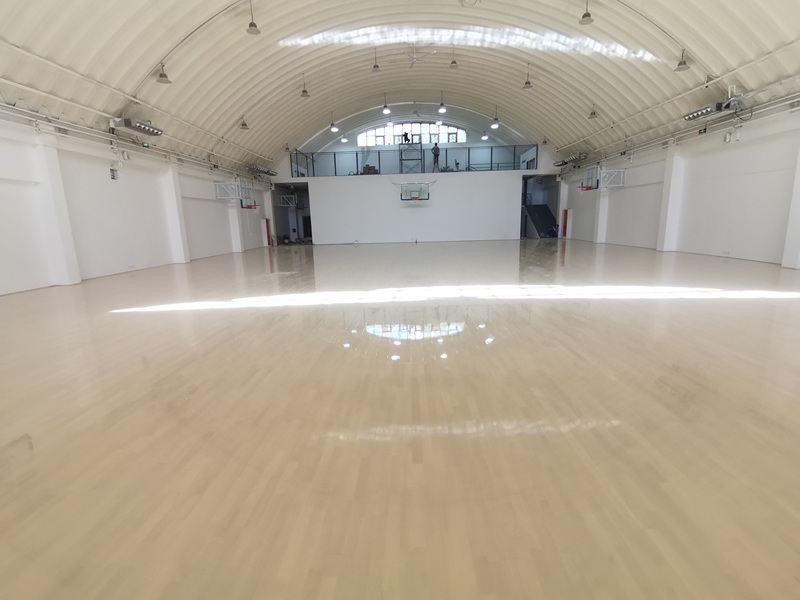
When it comes to choosing flooring for a sports facility, cost-effectiveness is a key consideration. Indoor sports wood flooring offers a compelling combination of performance, durability, and long-term value that makes it a cost-effective choice for many facilities.
One of the primary cost benefits of indoor sports wood flooring is its longevity. With proper maintenance, wood flooring can last for decades, outlasting many other types of flooring. This means that sports facilities can avoid the frequent replacement costs associated with less durable flooring options.
Another cost-saving aspect of wood flooring is its low maintenance requirements. Regular cleaning and occasional inspections are typically all that's needed to keep wood flooring in top condition. In contrast, some synthetic or concrete flooring options may require more frequent and expensive maintenance, such as resurfacing or sealing.
In terms of performance, indoor sports wood flooring offers excellent value for money. Its shock-absorbing properties and non-slip surface help reduce the risk of injuries, which can lead to lower medical costs and fewer interruptions to training and competition schedules. Additionally, the consistent bounce and roll of the ball on a wood floor enhance the quality of the game, making it more enjoyable for players and spectators alike.
Finally, the aesthetic appeal of wood flooring can also contribute to its cost-effectiveness. A well-maintained wood floor can enhance the overall value of a sports facility, making it more attractive to potential users and increasing its resale value if the facility is ever sold.
In conclusion, indoor sports wood flooring offers a cost-effective solution for sports facilities looking to balance performance, durability, and long-term value. Its longevity, low maintenance requirements, and performance benefits make it a wise investment for any facility.
Leave a Reply