

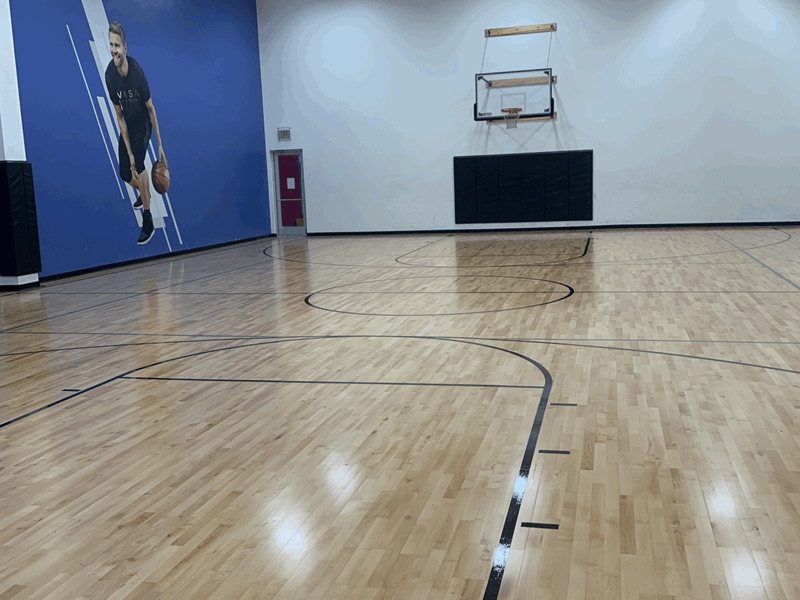
Cost-effectiveness is a key consideration for any sports facility when selecting indoor sports flooring. While it is important to invest in a high-quality floor that meets the functional and safety requirements of the sport or activity, it is also essential to consider the long-term costs associated with maintenance, repairs, and replacements.
Modern indoor sports floors offer a range of cost-effective options that balance initial investment with long-term savings. For instance, rubber floors, while initially more expensive than some other materials, offer excellent durability and shock absorption, reducing the need for frequent repairs or replacements. This can result in significant cost savings over the lifespan of the floor.
Vinyl and polyurethane floors can also be cost-effective choices, depending on the specific requirements of the facility. These floors are often easier to install and maintain than traditional hardwood floors, reducing labor costs and downtime. Additionally, their durability and resistance to wear and tear can extend their lifespan, further reducing long-term costs.
When evaluating the cost-effectiveness of indoor sports flooring, it is important to consider not only the initial purchase price but also the total cost of ownership over the lifespan of the floor. This includes maintenance costs, repair costs, and the cost of replacements if necessary. By choosing a floor that offers a balance between initial investment and long-term savings, sports facilities can ensure that they are getting the best value for their money.
Leave a Reply