

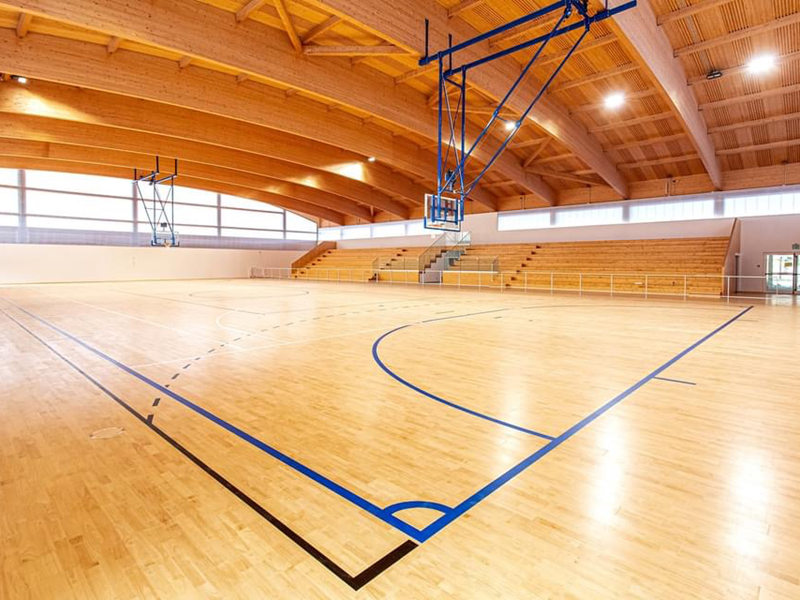
Sports wood flooring is a crucial component of any athletic facility, whether it's a professional arena, a community center, or a school gymnasium. This specialized flooring not only enhances the aesthetic appeal of the space but also plays a vital role in ensuring the safety and performance of athletes. In this comprehensive guide, we will explore the various types of sports wood flooring, their unique features, and the numerous benefits they offer.
Types of Sports Wood Flooring
- Maple Flooring: Maple is the most popular choice for sports wood flooring due to its exceptional durability, shock absorption, and aesthetic appeal. Its tight grain pattern and hardness make it resistant to scratches and ddents, ensuring a long-lasting surface. Maple floors are commonly used in basketball courts, volleyball courts, and dance studios.
- Oak Flooring: Oak is another durable option for sports flooring, known for its strength and resilience. While not as commonly used as maple, oak floors are suitable for facilities that require a robust surface, such as weightlifting areas or multipurpose gyms.
- Beech Flooring: Beech wood offers a balance between durability and cost-effectiveness. It is a softer wood compared to maple and oak, making it more susceptible to scratches but still suitable for low-impact sports like badminton or table tennis.
- Engineered Wood Flooring: Engineered wood combines layers of real wood with a plywood or high-density fiberboard (HDF) core. This construction enhances stability and reduces the risk of warping, making it an excellent choice for areas with fluctuating humidity levels.
Features of Sports Wood Flooring
- Shock Absorption: Sports wood flooring is designed to absorb impact, reducing the risk of injuries to athletes. The flooring's ability to cushion falls and jumps is crucial for high-impact sports like basketball and volleyball.
- Slip Resistance: A non-slip surface is essential for preventing accidents and ensuring athletes can maintain their footing during rapid movements. Sports wood flooring is treated with special finishes that enhance grip without compromising on aesthetics.
- Durability: The high-traffic nature of sports facilities demands flooring that can withstand constant use and abuse. Sports wood flooring is built to last, with hardwoods like maple and oak offering exceptional resistance to wear and tear.
- Aesthetic Appeal: Sports wood flooring adds a touch of elegance to any facility. Its natural beauty and warm tones create an inviting atmosphere that enhances the overall experience for athletes and spectators alike.
Benefits of Sports Wood Flooring
- Enhanced Performance: The shock-absorbing properties of sports wood flooring allow athletes to perform at their best by reducing fatigue and minimizing the risk of injuries. This, in turn, leads to improved performance and longer playing careers.
- Safety: A safe playing environment is paramount in any sports facility. Sports wood flooring's non-slip surface and shock absorption capabilities significantly reduce the risk of accidents, ensuring athletes can focus on their game without worrying about their safety.
- Longevity: Investing in high-quality sports wood flooring pays off in the long run. Its durability and resistance to wear and tear mean that facilities can enjoy years of use without the need for frequent replacements or repairs.
- Versatility: Sports wood flooring is suitable for a wide range of sports and activities, making it a versatile choice for multipurpose facilities. Whether it's a basketball court, a volleyball court, or a dance studio, sports wood flooring can adapt to various needs.
In conclusion, sports wood flooring is an essential component of any athletic facility. Its durability, shock absorption, slip resistance, and aesthetic appeal make it the ideal choice for ensuring the safety and performance of athletes. By choosing the right type of sports wood flooring and maintaining it properly, facilities can create a safe, inviting, and high-performing environment for athletes of all levels.
Leave a Reply