

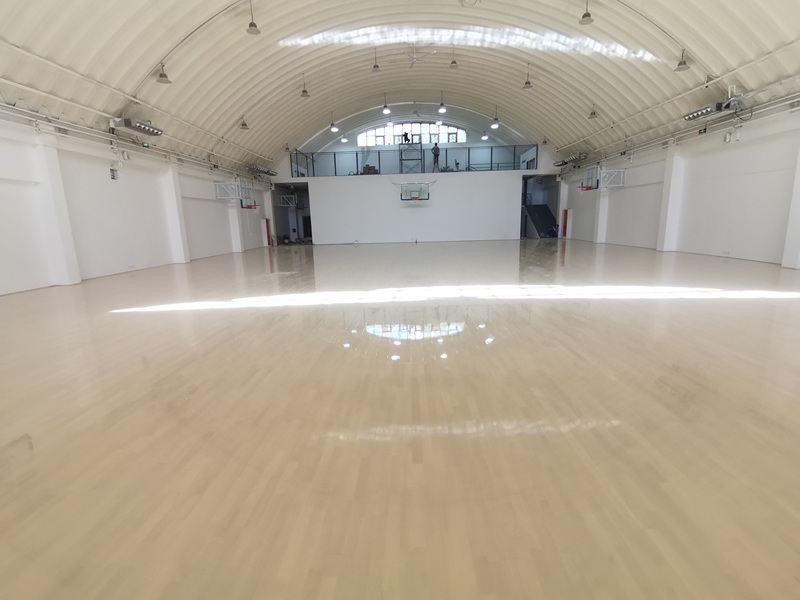
Sports wood flooring is a specialized type of flooring designed to meet the rigorous demands of athletic activities. Unlike conventional flooring options, sports wood flooring is engineered to provide optimal performance, safety, and durability in sports arenas, gymnasiums, and fitness centers. This comprehensive guide explores the key features, benefits, and applications of sports wood flooring, helping you understand why it is the preferred choice for many athletic facilities.
Key Features of Sports Wood Flooring
Sports wood flooring is distinguished by several unique features that set it apart from other flooring types. Firstly, it is constructed using high-quality hardwood, typically maple or oak, which is known for its strength and resilience. The wood is carefully selected and processed to ensure uniformity in grain and color, resulting in a visually appealing and consistent surface.
Another critical feature of sports wood flooring is its shock-absorbing properties. The flooring system incorporates a subfloor with cushioning materials, such as rubber pads or foam layers, which help to reduce the impact on athletes' joints and muscles. This shock absorption not only enhances comfort but also minimizes the risk of injuries during high-impact activities like jumping and running.
Additionally, sports wood flooring is designed to provide excellent traction and grip. The surface is often treated with a specialized finish that enhances friction, preventing slips and falls. This feature is particularly important in sports like basketball, volleyball, and dance, where quick movements and changes in direction are common.
Benefits of Sports Wood Flooring
The benefits of sports wood flooring are numerous and significant. One of the primary advantages is its durability. Hardwood floors are resistant to wear and tear, making them suitable for high-traffic areas. With proper maintenance, sports wood flooring can last for decades, providing a long-term investment for athletic facilities.
Another benefit is its aesthetic appeal. The natural beauty of wood adds warmth and elegance to any sports arena or gymnasium. The consistent grain and color of the flooring create a professional and inviting atmosphere, enhancing the overall experience for athletes and spectators alike.
Sports wood flooring also offers excellent acoustic properties. The cushioning subfloor helps to absorb sound, reducing noise levels and creating a quieter environment. This is particularly beneficial in multi-purpose facilities where different activities may be taking place simultaneously.
Applications of Sports Wood Flooring
Sports wood flooring is versatile and can be used in a variety of athletic settings. It is commonly found in basketball courts, where its shock-absorbing properties and excellent traction are essential for player safety and performance. Volleyball courts also benefit from sports wood flooring, as the surface provides the necessary grip for quick lateral movements.
In addition to court sports, sports wood flooring is suitable for dance studios and fitness centers. The cushioning subfloor helps to protect dancers' joints from the impact of jumps and leaps, while the non-slip surface ensures stability during intricate routines. Fitness enthusiasts also appreciate the comfort and support provided by sports wood flooring during high-intensity workouts.
In conclusion, sports wood flooring is a superior choice for athletic facilities due to its unique features, numerous benefits, and versatile applications. Whether you are building a new sports arena or renovating an existing gymnasium, investing in high-quality sports wood flooring is a decision that will pay off in terms of performance, safety, and aesthetics.
Leave a Reply