

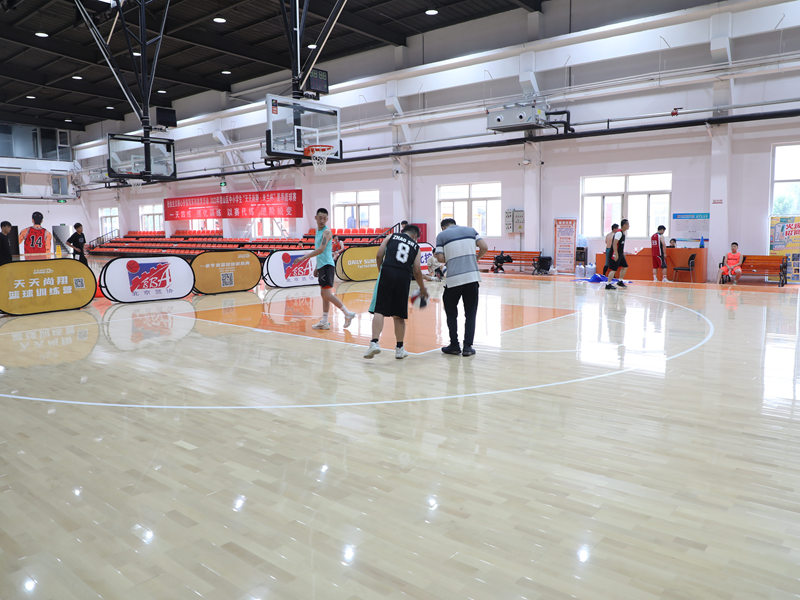
Sports wood flooring stands as a cornerstone in the construction of high-performance athletic facilities, offering a blend of durability, safety, and aesthetic appeal that is unmatched by other flooring materials. Whether it's a professional basketball court, a volleyball arena, or a multipurpose gymnasium, the choice of flooring plays a pivotal role in defining the quality of play, the safety of athletes, and the overall ambiance of the space. This comprehensive guide delves into the myriad benefits of sports wood flooring, outlines the installation process, and provides essential maintenance tips to ensure its longevity and optimal performance.
Benefits of Sports Wood Flooring
- Shock Absorption and Resilience: One of the most significant advantages of sports wood flooring is its ability to absorb shock and provide resilience. This characteristic is crucial for reducing the risk of injuries among athletes by minimizing the impact on joints and muscles during high-intensity activities. The natural elasticity of wood, combined with advanced subfloor systems, creates a surface that is both forgiving and responsive, enhancing athletic performance and comfort.
- Durability and Longevity: Sports wood flooring is renowned for its durability, capable of withstanding the rigors of daily use in high-traffic athletic environments. When properly maintained, a well-installed wood floor can last for decades, making it a cost-effective investment in the long run. Its resistance to wear and tear ensures that it maintains its structural integrity and aesthetic appeal over time, even under the heaviest of use.
- Aesthetic Appeal: Beyond its functional benefits, sports wood flooring exudes a timeless elegance that enhances the visual appeal of any athletic facility. The natural grain patterns and warm tones of wood create a welcoming and inspiring atmosphere, motivating athletes to perform at their best. Additionally, wood flooring can be customized with various finishes, logos, and line markings to reflect the identity and branding of the facility.
- Environmental Sustainability: Many sports wood flooring options are sourced from sustainably managed forests, making them an eco-friendly choice for environmentally conscious facility owners. Wood is a renewable resource that, when harvested responsibly, has a minimal impact on the environment. Furthermore, wood flooring can be recycled or repurposed at the end of its lifespan, reducing waste and contributing to a circular economy.
Installation Process
The installation of sports wood flooring is a meticulous process that requires skilled professionals to ensure optimal performance and longevity. The process typically involves the following steps:
- Site Preparation: The subfloor must be clean, level, and dry before installation begins. Any irregularities or moisture issues must be addressed to prevent future problems.
- Subfloor Installation: A resilient subfloor system, often consisting of foam or rubber pads, is installed to provide shock absorption and support for the wood flooring.
- Wood Flooring Installation: The wood planks are carefully laid out and secured to the subfloor using nails or adhesives, depending on the specific type of flooring and installation method.
- Finishing Touches: Once the flooring is installed, it is sanded, stained, and finished with a protective coating to enhance its durability and aesthetic appeal. Line markings and logos can also be added at this stage.
Leave a Reply