

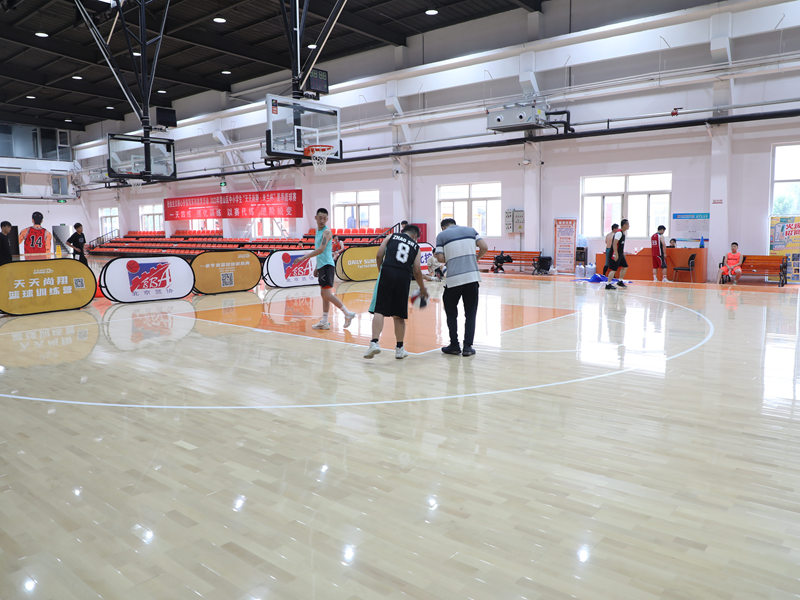
Indoor sports wood flooring stands as a cornerstone in the realm of athletic facilities, offering a blend of functionality, safety, and aesthetic appeal that is unmatched by other flooring materials. Whether it's a basketball court, volleyball arena, or a multipurpose gymnasium, the choice of flooring plays a pivotal role in enhancing the overall performance of athletes and ensuring their well-being. This comprehensive guide delves into the intricacies of indoor sports wood flooring, exploring its performance attributes, maintenance requirements, and sustainability considerations.
Performance Attributes
The primary function of indoor sports wood flooring is to provide a stable, resilient surface that absorbs shock and reduces the risk of injuries. High-quality sports wood floors are engineered to offer optimal bounce and traction, enabling athletes to perform at their peak without compromising on safety. The use of premium hardwoods, such as maple or oak, ensures durability and longevity, even under heavy foot traffic and intense gameplay. Additionally, the flooring's subfloor system, often consisting of shock-absorbing pads or springs, further enhances its performance by distributing weight evenly and minimizing vibrations.
Another key performance aspect of indoor sports wood flooring is its ability to regulate humidity and temperature. Wood, being a natural material, has inherent properties that allow it to breathe and adjust to environmental changes. This not only maintains a comfortable playing environment but also prevents the flooring from warping or cracking over time. Furthermore, the surface finish of sports wood floors is designed to be non-slip, providing athletes with the necessary grip to execute quick movements and turns without slipping.
Maintenance Requirements
Maintaining indoor sports wood flooring is crucial to preserving its performance and extending its lifespan. Regular cleaning is essential to remove dirt, dust, and debris that can accumulate on the surface and scratch the finish. A soft-bristled broom or a vacuum cleaner with a hardwood floor attachment should be used for daily cleaning, while a damp mop with a mild detergent can be employed for deeper cleaning on a weekly basis. It's important to avoid using excessive water or harsh chemicals, as these can damage the wood and compromise its structural integrity.
In addition to regular cleaning, sports wood floors require periodic refinishing to restore their luster and protect them from wear and tear. This involves sanding down the surface to remove any scratches or imperfections, followed by the application of a new finish coat. The frequency of refinishing depends on the level of usage and the type of finish used, but generally ranges from every few years to once a decade.
Sustainability Considerations
As the world becomes increasingly conscious of environmental issues, sustainability has emerged as a key consideration in the selection of indoor sports wood flooring. Many manufacturers now offer eco-friendly options that utilize responsibly sourced wood and low-VOC (volatile organic compound) finishes. These products not only reduce the environmental impact of the flooring but also contribute to healthier indoor air quality for athletes and spectators alike.
Moreover, the longevity of sports wood floors makes them a sustainable choice in the long run. Unlike synthetic flooring materials that may need to be replaced every few years, high-quality wood floors can last for decades with proper maintenance. This reduces waste and the need for frequent replacements, further minimizing the environmental footprint of the facility.
In conclusion, indoor sports wood flooring offers a winning combination of performance, maintenance ease, and sustainability. By choosing a high-quality product and following a regular maintenance schedule, facility managers can ensure that their sports floors provide a safe, durable, and environmentally friendly playing surface for athletes of all levels.
Leave a Reply