

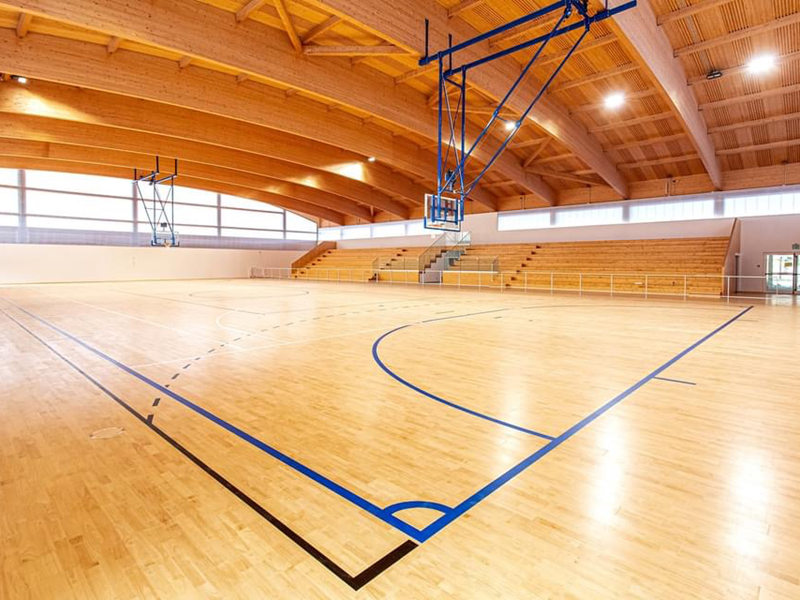
Indoor sports wood flooring stands as a cornerstone in the realm of athletic facilities, offering a blend of performance, safety, and aesthetic appeal that is unmatched by other flooring options. This comprehensive guide delves into the various aspects of indoor sports wood flooring, from its construction and installation to maintenance and benefits.
Construction and Materials
Indoor sports wood flooring is typically crafted from high-quality hardwoods such as maple, oak, or beech. These woods are chosen for their durability, resilience, and ability to withstand the rigors of intense physical activity. The flooring is often constructed in a multi-layer system, consisting of a subfloor, a shock-absorbing layer, and a finished surface layer. This layered approach ensures optimal performance, reducing the risk of injuries and enhancing the overall playing experience.
Installation Process
The installation of indoor sports wood flooring is a meticulous process that requires skilled professionals. It begins with the preparation of the subfloor, ensuring it is level and free from any imperfections. Next, a shock-absorbing layer, often made of foam or rubber, is laid down to provide cushioning and reduce impact forces. Finally, the finished wood flooring is installed, with each plank carefully aligned and secured to create a seamless surface.
Maintenance and Care
Maintaining indoor sports wood flooring is crucial to its longevity and performance. Regular cleaning with a soft-bristled broom or vacuum cleaner helps remove dust and debris that can scratch the surface. For deeper cleaning, a damp mop with a mild detergent can be used, followed by a thorough drying to prevent water damage. Additionally, it's important to avoid using harsh chemicals or abrasive cleaners that can damage the finish. Periodic refinishing may also be necessary to restore the floor's luster and protect it from wear and tear.
Benefits of Indoor Sports Wood Flooring
The benefits of indoor sports wood flooring are numerous. Firstly, it provides excellent shock absorption, reducing the risk of injuries such as sprains and fractures. Secondly, its smooth surface allows for easy movement and agility, enhancing athletic performance. Thirdly, the natural beauty of wood adds a touch of elegance to any sports facility, creating a welcoming and professional atmosphere. Finally, wood flooring is environmentally friendly, as it is a renewable resource that can be recycled or repurposed at the end of its lifespan.
Leave a Reply