

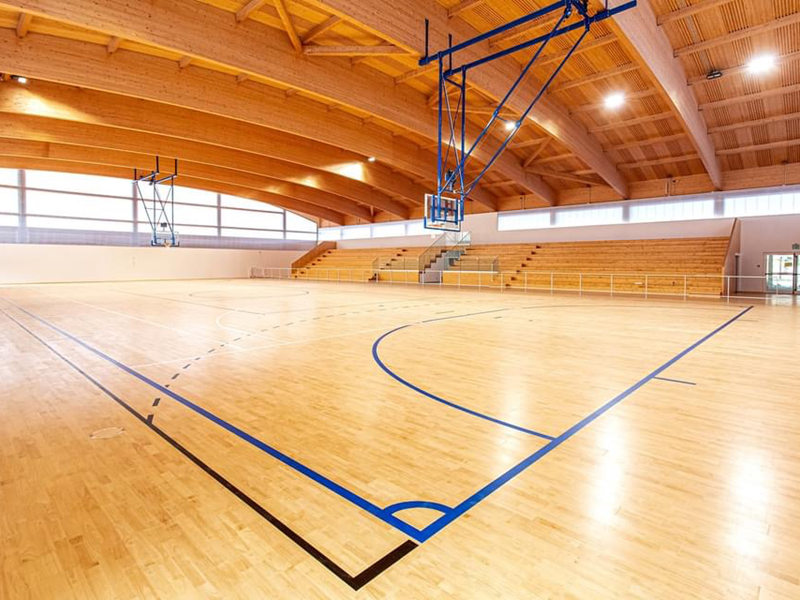
Introduction
Basketball is a dynamic and high - energy sport that demands a specialized playing surface. Basketball wood flooring stands as a cornerstone of modern basketball courts, providing athletes with a safe, high - performance, and visually appealing environment. This article delves into the various aspects of basketball wood flooring, from its construction and materials to its maintenance and benefits.
Construction and Structure
Sub - floor System
The foundation of basketball wood flooring lies in its sub - floor system. Typically, a multi - layer structure is employed to ensure optimal performance. The base layer often consists of a concrete slab, which offers a stable and level surface. On top of the concrete, a layer of shock - absorbing pads or springs is installed. These elements play a crucial role in reducing the impact on athletes' joints during jumps and landings, minimizing the risk of injuries such as shin splints and stress fractures.
Above the shock - absorbing layer, a series of wooden sleepers or joists are laid out in a grid pattern. These sleepers provide support for the upper layers of the flooring and help distribute the load evenly across the court. The spacing and size of the sleepers are carefully calculated to ensure the floor's stability and resilience.
Surface Layer
The surface layer of basketball wood flooring is usually made of high - quality hardwood, with maple being the most popular choice. Maple is preferred due to its exceptional hardness, durability, and uniform grain pattern. The hardwood planks are typically arranged in a tongue - and - groove or a finger - jointed pattern, which creates a tight and seamless surface. This not only enhances the aesthetic appeal of the court but also prevents the ingress of dirt and moisture, reducing the risk of damage to the floor.
Material Selection
Maple Wood
As mentioned earlier, maple is the gold standard for basketball wood flooring. Its high density and hardness make it resistant to wear and tear, even under the heavy foot traffic and intense physical activity of basketball games. The uniform grain pattern of maple also provides a consistent playing surface, ensuring that the ball bounces predictably across the court. Additionally, maple has a natural light color that can be finished in a variety of stains, allowing for customization to match the team's colors or the overall aesthetic of the facility.
Other Hardwood Options
While maple is the most common choice, other hardwoods such as oak and beech can also be used for basketball wood flooring. Oak is known for its strength and durability, although it has a more pronounced grain pattern compared to maple, which may affect the ball's bounce to a certain extent. Beech, on the other hand, offers a smooth surface and good shock - absorption properties, making it a viable alternative in some cases. However, these hardwoods are generally less popular than maple due to their specific characteristics and cost considerations.
Benefits of Basketball Wood Flooring
Athlete Safety
One of the primary benefits of basketball wood flooring is its ability to enhance athlete safety. The shock - absorbing sub - floor system reduces the impact on players' joints, lowering the risk of long - term injuries. The smooth and even surface of the hardwood also minimizes the chances of slips and falls, providing athletes with a stable and secure playing environment.
Performance Enhancement
Basketball wood flooring is designed to optimize athletic performance. The hard and uniform surface allows for consistent ball bounce, enabling players to make accurate passes and shots. The slight give of the floor also provides better traction, allowing athletes to change direction quickly and perform explosive movements with ease.
Aesthetic Appeal
A well - maintained basketball wood floor adds a touch of elegance and professionalism to any sports facility. The natural beauty of the hardwood, combined with the ability to customize the finish, creates a visually stunning court that can enhance the overall experience for players and spectators alike.
Durability and Longevity
High - quality basketball wood flooring is built to last. With proper maintenance, a well - constructed hardwood court can withstand years of heavy use without significant deterioration. This makes it a cost - effective investment in the long run, as it reduces the need for frequent replacements or repairs.
Maintenance and Care
Daily Cleaning
Regular cleaning is essential to keep basketball wood flooring in top condition. Daily sweeping or vacuuming should be performed to remove dirt, dust, and debris that can scratch the surface of the floor. A soft - bristled broom or a vacuum cleaner with a hardwood floor attachment is recommended to avoid damaging the finish.
Weekly Mopping
In addition to daily cleaning, weekly mopping with a damp mop and a mild, pH - neutral cleaner is necessary to remove any remaining dirt or stains. It is important to avoid using excessive water, as moisture can seep into the wood and cause warping or cupping. After mopping, the floor should be dried thoroughly with a clean, dry mop or towel.
Periodic Refinishing
Over time, the finish on basketball wood flooring can become worn or scratched, affecting both its appearance and performance. Periodic refinishing is required to restore the floor's original luster and protect it from further damage. Refinishing typically involves sanding down the surface of the floor to remove the old finish, applying a new stain if desired, and then sealing the floor with multiple coats of a high - quality finish.
Prevention of Damage
To prevent damage to basketball wood flooring, it is important to take certain precautions. For example, sharp objects such as cleats or metal chairs should be avoided on the court. Spills should be cleaned up immediately to prevent staining or moisture damage. Additionally, the use of floor mats at entrances and exits can help reduce the amount of dirt and debris tracked onto the court.
Conclusion
Basketball wood flooring is a vital component of any basketball court, providing athletes with a safe, high - performance, and visually appealing playing surface. By understanding its construction, material selection, benefits, and maintenance requirements, sports facility owners and managers can ensure that their basketball courts remain in excellent condition for years to come, offering players the best possible experience on the hardwood.
Leave a Reply