

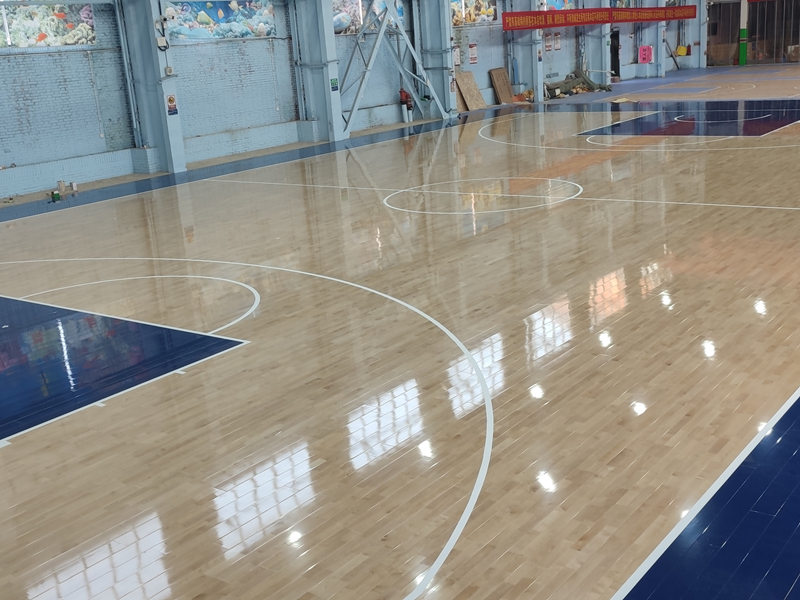
Synthetic indoor sports flooring has gained popularity in recent years due to its numerous benefits over traditional materials like wood. Here are some of the key advantages of synthetic sports flooring:
Durability: Synthetic flooring materials, such as polyurethane (PU) and vinyl, are highly durable and resistant to wear and tear. They can withstand heavy foot traffic, impacts from sports equipment, and exposure to moisture without deteriorating quickly. This makes synthetic flooring ideal for high-traffic sports facilities like gyms, basketball courts, and volleyball courts.
Shock Absorption: Many synthetic sports flooring materials offer excellent shock absorption properties, which can help reduce the risk of injuries among athletes. The cushioning effect of the floor can absorb and disperse impact forces, minimizing the stress on joints and muscles during physical activities.
Easy Maintenance: Synthetic flooring is generally easier to maintain than wood flooring. It requires simple cleaning methods like sweeping and mopping to keep it looking clean and new. Additionally, synthetic floors are resistant to stains and scratches, making them ideal for facilities where spills and accidents are common.
Design Flexibility: Synthetic flooring offers a wide range of design options, including different colors, patterns, and textures. This allows facility owners to customize the appearance of their sports floors to match their branding or interior design preferences. Some synthetic floors even feature realistic wood grain patterns, providing the natural look of wood without the maintenance requirements.
Cost-Effectiveness: While synthetic sports flooring may have a higher upfront cost than some traditional materials, it can be more cost-effective in the long run due to its durability and low maintenance requirements. Synthetic floors can last for many years with proper care, reducing the need for frequent replacements or repairs.
In conclusion, synthetic indoor sports flooring offers numerous benefits over traditional materials, including durability, shock absorption, easy maintenance, design flexibility, and cost-effectiveness. Facility owners should consider these advantages when selecting the most suitable flooring material for their sports facilities.
Leave a Reply