

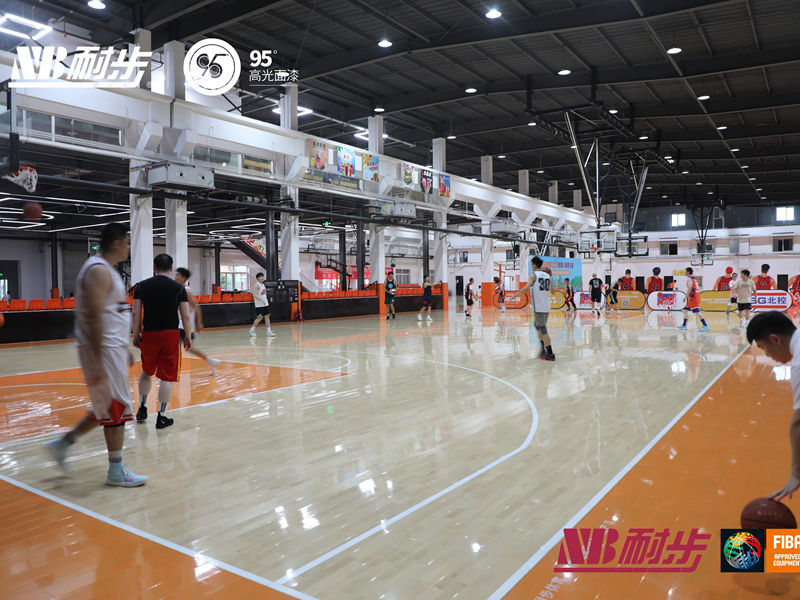
Maple wood has long been the preferred choice for sports flooring applications, and for good reason. Its unique combination of durability, resilience, and aesthetic appeal makes it an ideal material for creating high-performance sports surfaces.
One of the primary benefits of maple wood is its hardness. Maple is one of the hardest hardwoods available, which means it can withstand the heavy foot traffic and impact associated with sports activities without showing signs of wear or damage. This durability ensures that sports floors made from maple will last for many years, even with frequent use.
In addition to its hardness, maple wood also has excellent shock-absorbing properties. When athletes jump, run, or land on a maple sports floor, the wood's natural resilience helps to cushion the impact, reducing the risk of injuries to joints and muscles. This is particularly important in high-impact sports like basketball and volleyball, where athletes are constantly jumping and landing.
Another advantage of maple wood is its aesthetic appeal. The light, natural color of maple provides a clean, bright appearance that enhances the visibility of the playing area. This is especially beneficial in sports facilities where lighting may be limited, as the light-colored wood helps to reflect and distribute light more evenly. Additionally, maple wood can be finished with a variety of stains and coatings to match the facility's decor or team colors.
Maple wood is also relatively easy to maintain. Regular sweeping and mopping are usually sufficient to keep the floor clean and free of debris. In the event of spills or stains, maple wood can be easily cleaned and restored to its original condition. This low-maintenance requirement makes maple sports floors a cost-effective choice for sports facilities of all sizes.
Finally, maple wood is a sustainable and environmentally friendly choice for sports flooring. Many maple sports floors are made from responsibly sourced wood, and the production process often involves minimal waste and energy consumption. This makes maple an attractive option for sports facilities that are committed to reducing their environmental impact.
Leave a Reply