

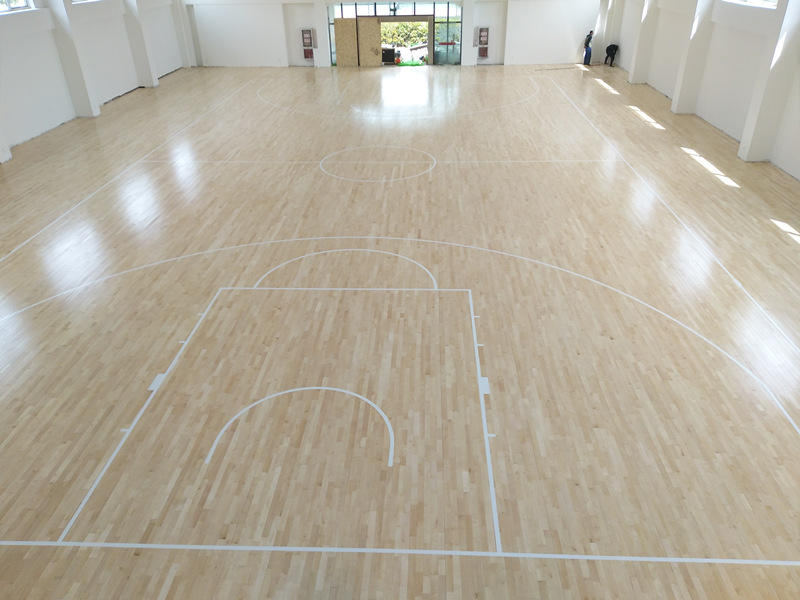
When it comes to choosing the right type of wood for an indoor basketball court, maple stands out as the premier choice for several compelling reasons. Maple wood flooring offers a unique combination of durability, resilience, and aesthetic appeal that makes it ideal for the demands of basketball gameplay.
One of the key benefits of maple wood flooring is its exceptional durability. Maple is a hard, dense wood that is resistant to scratches, dents, and wear and tear. This makes it well-suited for the high-traffic environment of an indoor basketball court, where athletes are constantly running, jumping, and pivoting. A maple floor can withstand years of heavy use without showing significant signs of damage, ensuring that it remains in top condition for many seasons to come.
In addition to its durability, maple wood flooring also offers excellent resilience. The natural elasticity of maple wood helps to absorb shock and reduce the impact on athletes' joints and muscles. This is particularly important for basketball players, who engage in high-intensity movements that can put a lot of stress on their bodies. A resilient maple floor provides a cushioned surface that helps to prevent injuries and keep athletes performing at their best.
Another advantage of maple wood flooring is its aesthetic appeal. Maple wood has a light, natural color that creates a bright and inviting atmosphere in an indoor basketball court. Its fine, uniform grain pattern adds a touch of elegance and sophistication to the space, making it more visually appealing to athletes and spectators alike. Additionally, maple wood can be stained or finished in a variety of colors to match the design scheme of the facility, providing facility owners with a wide range of customization options.
Maple wood flooring also offers excellent acoustic properties. The dense structure of maple wood helps to absorb sound, reducing noise levels in the basketball court. This creates a more enjoyable playing experience for athletes, as they can focus on the game without being distracted by excessive noise. It also makes the facility more pleasant for spectators, who can enjoy the game without being subjected to loud echoes or reverberations.
Furthermore, maple wood flooring is relatively easy to maintain. Regular sweeping and mopping with a mild cleaner are usually sufficient to keep a maple floor clean and looking its best. Additionally, periodic refinishing can help to restore the floor's original luster and protect it from future damage. Compared to other types of flooring materials, maple wood requires minimal upkeep, making it a cost-effective choice for facility owners.
In conclusion, maple wood flooring offers a host of benefits for indoor basketball courts. Its durability, resilience, aesthetic appeal, acoustic properties, and ease of maintenance make it the ideal choice for athletes and facility owners alike. Whether you're building a new court or renovating an existing one, investing in a maple wood floor is a decision that will pay off in terms of performance, longevity, and overall satisfaction.
Leave a Reply