

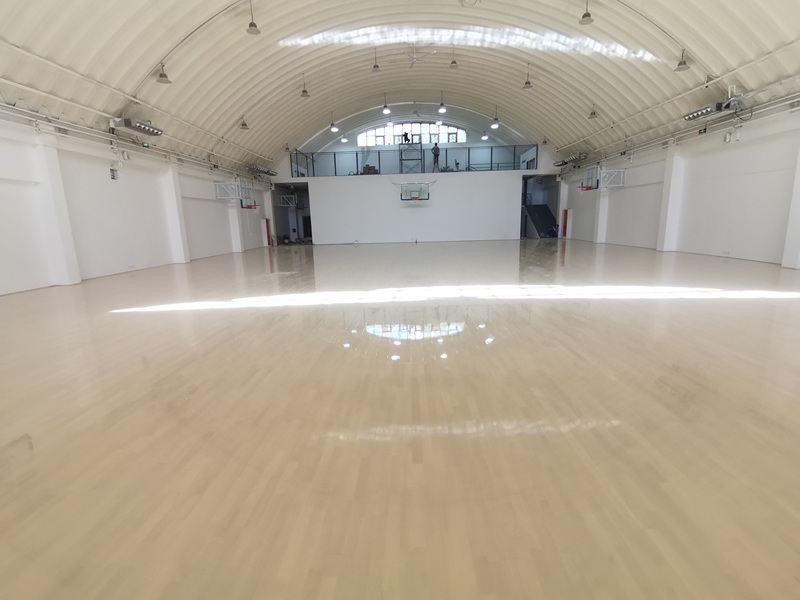
Over the years, sports wood flooring technology has advanced significantly, leading to improved performance, safety, and durability. These advancements have been driven by a combination of materials science, engineering innovations, and a deeper understanding of the biomechanics of athletic performance. Here are some key advancements in sports wood flooring technology.
One of the most significant advancements is the development of multi-layered flooring systems. Traditional sports floors were often single-layered, providing limited shock absorption and resilience. Modern sports wood floors, however, are composed of multiple layers, each serving a specific purpose. The top layer, or wear layer, is made of high-quality hardwood for durability and aesthetic appeal. Beneath the wear layer, there are layers of shock-absorbing materials, such as rubber or foam, which help to reduce the impact on athletes' joints and muscles. These layers are often supported by a subfloor system that provides additional stability and support, creating a floor that is both safe and high-performing.
Another advancement in sports wood flooring technology is the use of advanced finishing techniques. The finish of a sports floor not only enhances its appearance but also protects the wood from damage and wear. Modern finishing techniques, such as UV-cured finishes, provide a durable and long-lasting surface that is resistant to scratches, stains, and fading. These finishes also dry quickly, reducing the downtime required for refinishing or resurfacing the floor.
Furthermore, advancements in materials science have led to the development of new and improved shock-absorbing materials. These materials are designed to provide optimal shock absorption while maintaining their shape and resilience over time. This ensures that the floor continues to provide consistent performance and safety for athletes, even after years of use.
In addition to these technical advancements, sports wood flooring technology has also embraced sustainability. Many manufacturers are now using sustainably sourced wood and adopting sustainable production practices to reduce their environmental impact. This includes using energy-efficient machinery, reducing waste through recycling and reuse, and minimizing the use of harmful chemicals in the production process.
In conclusion, advancements in sports wood flooring technology have led to improved performance, safety, durability, and sustainability. Multi-layered flooring systems, advanced finishing techniques, new shock-absorbing materials, and sustainable practices are all contributing to the evolution of sports wood flooring. By embracing these advancements, arenas and sports facilities can create a safe and optimal playing environment for athletes while also contributing to a more sustainable future.
Leave a Reply