

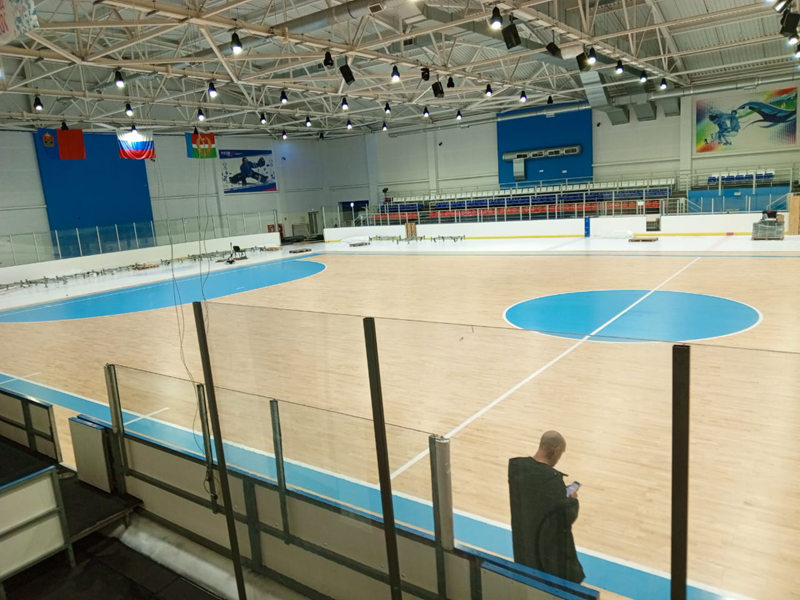
Sustainability has become an increasingly important consideration in the production of sports wood flooring, as sports facilities and consumers alike seek environmentally friendly and socially responsible solutions. Sustainable practices in sports wood flooring production involve minimizing environmental impact, conserving natural resources, and promoting social welfare throughout the supply chain.
One of the key aspects of sustainable sports wood flooring production is the sourcing of raw materials. Responsible manufacturers prioritize the use of certified sustainable wood, such as that from forests managed according to the principles of the Forest Stewardship Council (FSC). FSC certification ensures that the wood is harvested in a way that maintains forest biodiversity, productivity, and ecological processes, while also respecting the rights of indigenous peoples and local communities.
In addition to sourcing sustainable wood, manufacturers are also adopting more efficient production processes to reduce waste and energy consumption. This includes optimizing cutting patterns to minimize material waste, using water-based finishes and adhesives that are less harmful to the environment, and implementing energy-efficient manufacturing equipment. By reducing waste and energy use, manufacturers can lower their carbon footprint and contribute to a more sustainable future.
Another important aspect of sustainable sports wood flooring production is the promotion of social welfare. This includes ensuring fair labor practices throughout the supply chain, providing safe working conditions for employees, and supporting local communities through job creation and economic development. Responsible manufacturers also engage in transparency and accountability practices, such as publishing sustainability reports and undergoing third-party audits to verify their environmental and social performance.
Furthermore, sustainable sports wood flooring production also involves considering the end-of-life of the product. Manufacturers are increasingly designing floors that are easier to disassemble and recycle, reducing the amount of waste sent to landfills. Some manufacturers even offer take-back programs, where they collect used floors and recycle them into new products, further closing the loop on material use.
In conclusion, sustainable practices in sports wood flooring production are essential for minimizing environmental impact, conserving natural resources, and promoting social welfare. By choosing sustainable floors and supporting responsible manufacturers, sports facilities can contribute to a more sustainable future while also enjoying the benefits of high-quality, durable, and aesthetically pleasing sports wood flooring.
Leave a Reply