

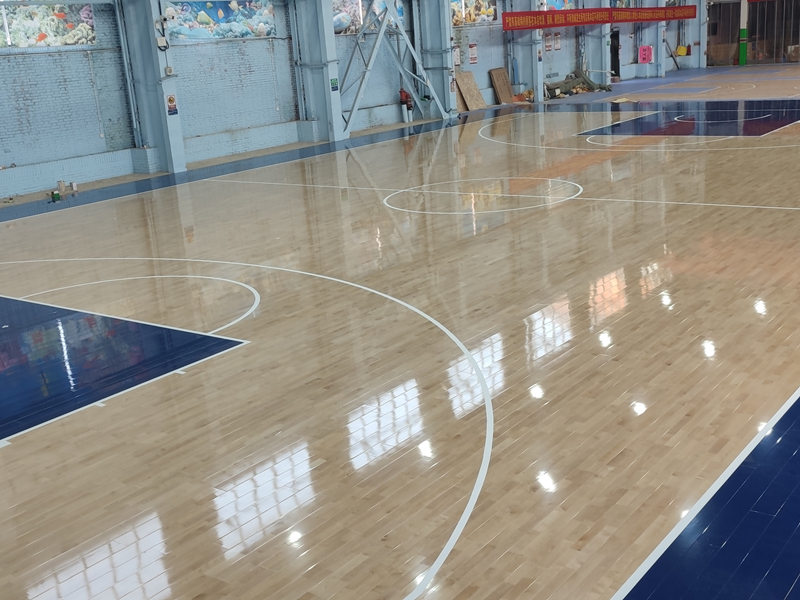
As the world becomes increasingly conscious of environmental issues, sustainable indoor sports flooring has emerged as a popular choice for modern sports facilities. These eco-friendly options not only reduce the environmental impact of sports flooring but also offer a range of benefits, including improved indoor air quality and lower maintenance costs.
One of the key sustainable materials used in indoor sports flooring is recycled rubber. This material is derived from used tires and other rubber products, which are processed and transformed into durable flooring panels. Recycled rubber flooring is known for its shock absorption capabilities, making it an ideal choice for sports facilities that prioritize player safety. Additionally, it is resistant to moisture and mildew, reducing the need for frequent cleaning and maintenance.
Another sustainable option is cork flooring, which is harvested from the bark of cork oak trees without harming the tree itself. Cork is a natural insulator, providing excellent thermal and acoustic properties. It is also hypoallergenic and resistant to mold and mildew, making it a healthy choice for indoor environments. Cork flooring is often used in combination with other materials, such as rubber or vinyl, to create a multi-layered sports floor that combines sustainability with performance.
In addition to recycled rubber and cork, manufacturers are also exploring other sustainable materials, such as bamboo and linoleum, for indoor sports flooring applications. By choosing sustainable options, sports facilities can reduce their carbon footprint and contribute to a healthier planet while still providing a high-quality playing surface for athletes.
Leave a Reply