

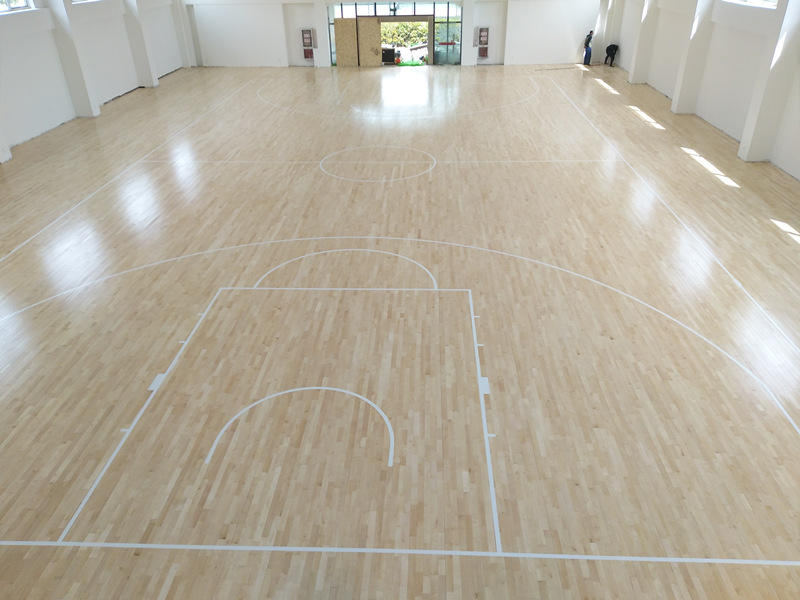
In recent years, sustainability has become a driving force in the sports wood flooring industry. As awareness of environmental issues grows, manufacturers and consumers alike are seeking eco-friendly alternatives that minimize the impact on our planet. This trend is reflected in the increasing adoption of sustainable practices throughout the production, installation, and maintenance of sports wood floors.
One of the key aspects of sustainability in sports wood flooring is the use of responsibly sourced timber. Many manufacturers now prioritize wood from certified forests, where trees are harvested in a manner that ensures the long-term health and viability of the ecosystem. This approach not only protects biodiversity but also supports local communities that rely on forestry for their livelihoods.
Another important sustainable practice is the reduction of waste during the manufacturing process. By optimizing cutting patterns and recycling offcuts, manufacturers can minimize the amount of wood that ends up in landfills. Additionally, some companies are exploring the use of recycled or reclaimed wood in their products, further reducing the environmental footprint.
During installation, sustainable practices include the use of low-VOC (volatile organic compound) adhesives and finishes, which reduce indoor air pollution and improve indoor air quality. Proper maintenance techniques, such as regular cleaning and refinishing, can also extend the lifespan of sports wood floors, reducing the need for frequent replacements and the associated environmental impact.
In conclusion, sustainability is no longer a niche concern in the sports wood flooring industry; it's a growing trend that is reshaping the way we think about and produce these essential components of sports facilities. By embracing sustainable practices, we can create a healthier planet for future generations while still enjoying the benefits of high-quality sports wood flooring.
Leave a Reply