

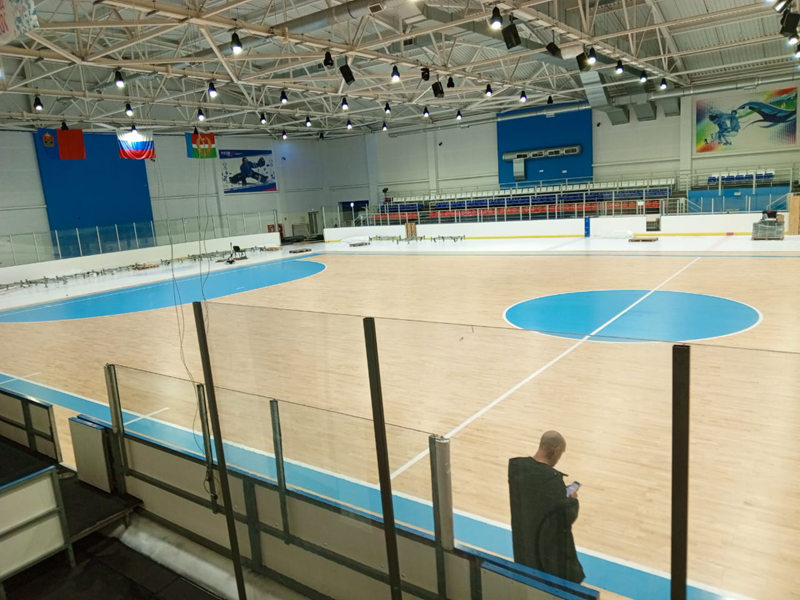
Sustainability has become a cornerstone of China’s portable wooden flooring sector, driven by domestic environmental regulations and global demand for eco-friendly sports infrastructure. Companies are adopting green practices across the supply chain, from raw material sourcing to end-of-life recycling.
Initiatives Driving Change:
FSC-Certified Wood: Over 70% of major manufacturers now use timber from responsibly managed forests, ensuring compliance with EU and U.S. sustainability standards.
Bamboo Hybrid Floors: Bamboo, a rapidly renewable resource, is blended with wood to reduce reliance on slow-growing hardwoods. Brands like GreenPanda offer bamboo-wood composite panels with comparable performance.
Water-Based Coatings: Solvent-free finishes minimize VOC emissions, improving indoor air quality for athletes and spectators.
Recycling Programs: Some vendors accept used panels for refurbishment or repurposing into furniture, diverting waste from landfills.
A Shanghai-based manufacturer recently launched a carbon-neutral flooring line, offsetting emissions through reforestation projects. Such efforts align with China’s “Dual Carbon” goals (peaking emissions by 2030 and achieving carbon neutrality by 2060), enhancing the global appeal of Chinese products.
Consumers, particularly in Europe and North America, increasingly prioritize sustainability when selecting suppliers. Chinese exporters who transparently communicate their eco-credentials gain a competitive edge in international tenders.
Leave a Reply