

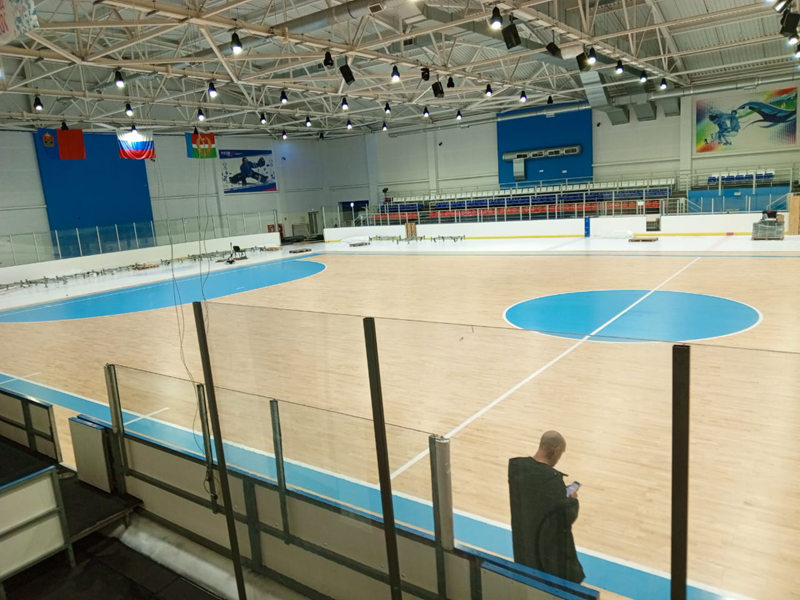
When it comes to choosing flooring for an athletic facility, the decision often comes down to sports wood flooring versus synthetic flooring. Both options have their advantages and disadvantages, and the right choice will depend on the specific needs and preferences of the facility. In this article, we will conduct a comparative analysis of sports wood flooring and synthetic flooring to help you make an informed decision.
Appearance and Aesthetic Appeal
Sports Wood Flooring: One of the primary advantages of sports wood flooring is its natural beauty and warm tones. The grain patterns and textures of wood create an inviting atmosphere that enhances the overall experience for athletes and spectators alike. Wood flooring also offers a wide range of design options, allowing facilities to customize their floors to match their branding or aesthetic preferences.
Synthetic Flooring: Synthetic flooring, on the other hand, often has a more uniform and artificial appearance. While it can mimic the look of wood or other natural materials, it lacks the authenticity and warmth of real wood. However, synthetic flooring is available in a variety of colors and patterns, making it a versatile choice for facilities that want to create a unique look.
Performance and Safety
Sports Wood Flooring: Sports wood flooring is known for its exceptional shock absorption and slip resistance, making it an ideal choice for high-impact sports like basketball and volleyball. The natural properties of wood help cushion falls and jumps, reducing the risk of injuries to athletes. Additionally, wood flooring's non-slip surface ensures that athletes can maintain their footing during rapid movements.
Synthetic Flooring: Synthetic flooring also offers good shock absorption and slip resistance, although the level of performance may vary depending on the specific type of flooring chosen. Some synthetic flooring options, such as rubber or vinyl, are particularly well-suited for low-impact sports or areas where a softer surface is desired. However, synthetic flooring may not provide the same level of cushioning as wood flooring for high-impact sports.
Durability and Longevity
Sports Wood Flooring: Sports wood flooring is built to last, with hardwoods like maple and oak offering exceptional resistance to wear and tear. With proper installation and maintenance, sports wood flooring can enjoy years of use without the need for frequent replacements or repairs. However, wood flooring is susceptible to scratches and dents, which may require periodic refinishing to maintain its appearance.
Synthetic Flooring: Synthetic flooring is generally more resistant to scratches and stains than wood flooring, making it a good choice for areas that experience heavy traffic or are prone to spills. Additionally, synthetic flooring is often easier to clean and maintain, requiring less frequent deep cleaning or refinishing. However, the lifespan of synthetic flooring may be shorter than that of wood flooring, depending on the quality of the materials used and the level of use it receives.
Cost and Installation
Sports Wood Flooring: Sports wood flooring is typically more expensive than synthetic flooring, both in terms of materials and installation costs. The cost of wood flooring can vary widely depending on the type of wood chosen, the quality of the materials, and the complexity of the installation. Additionally, wood flooring requires specialized installation techniques and may take longer to install than synthetic flooring.
Synthetic Flooring: Synthetic flooring is generally more affordable than wood flooring, making it a popular choice for budget-conscious facilities. The installation process for synthetic flooring is often simpler and faster than that of wood flooring, reducing labor costs and minimizing disruption to the facility. However, the long-term cost savings may be offset by the need for more frequent replacements or repairs if the flooring is not of high quality.
In conclusion, both sports wood flooring and synthetic flooring have their advantages and disadvantages. The right choice will depend on the specific needs and preferences of the facility, including factors such as appearance, performance, durability, cost, and installation requirements. By carefully considering these factors and working with experienced professionals, athletic facilities can choose the flooring option that best meets their needs and creates a safe, inviting, and high-performing environment for athletes of all levels.
Leave a Reply