

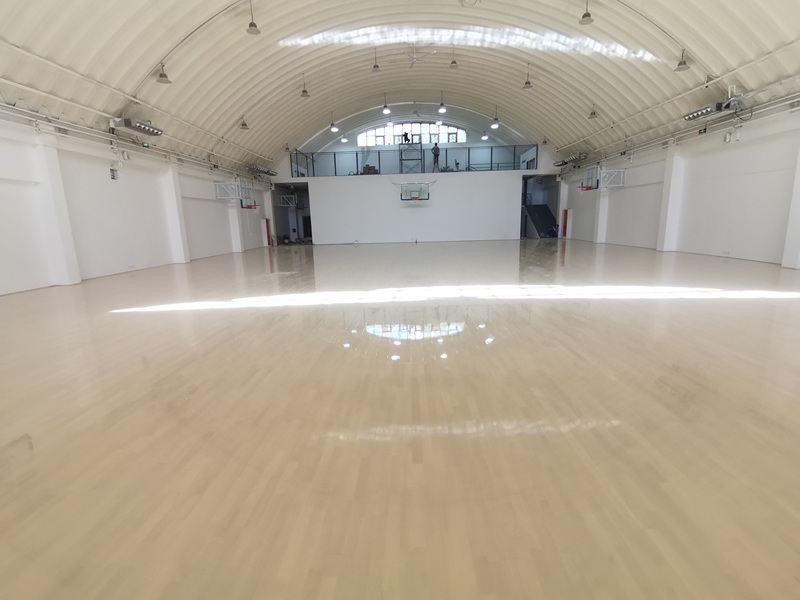
When it comes to sports flooring, there are two main options: wood and synthetic materials. Each has its own set of advantages and disadvantages, and the choice between the two often depends on the specific needs and preferences of the sports facility.
Sports wood flooring offers several key advantages over synthetic alternatives. First, it provides a natural shock absorption that helps to reduce the risk of injuries among athletes. Synthetic materials, while often durable, can be harder and less forgiving, increasing the strain on joints and muscles. Additionally, wood flooring offers a consistent ball bounce that is crucial for sports like basketball and volleyball, whereas synthetic materials may have more variable ball behavior.
On the other hand, synthetic sports flooring has its own set of benefits. It is often more resistant to moisture and humidity, making it a good choice for facilities in humid climates or those that are prone to spills. Synthetic materials are also generally easier to clean and maintain, requiring less frequent refinishing and repairs. Furthermore, some synthetic flooring options offer enhanced traction or slip resistance, which can be beneficial in certain sports or activities.
Ultimately, the choice between sports wood flooring and synthetic alternatives depends on a variety of factors, including budget, performance requirements, and aesthetic preferences. By carefully considering these factors, sports facilities can select the flooring option that best meets their needs and provides the best overall experience for athletes and spectators.
Leave a Reply