

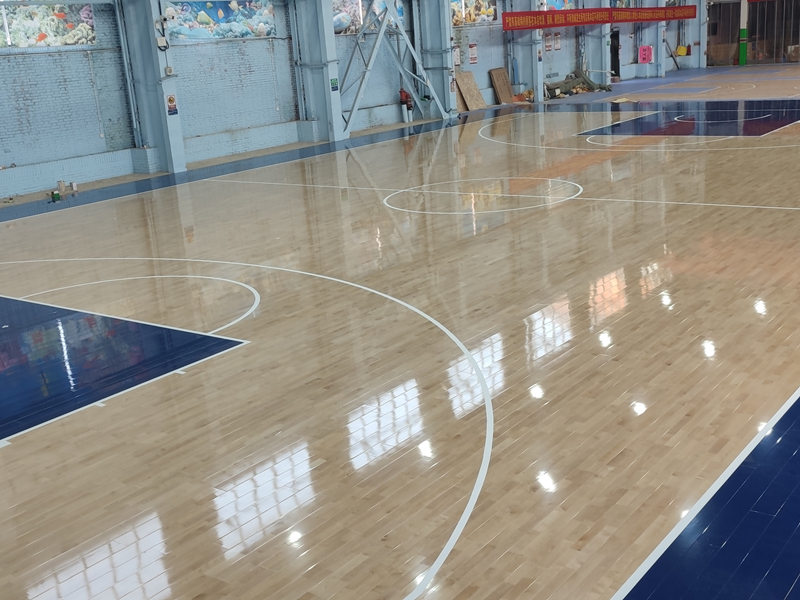
When it comes to choosing flooring for sports arenas, there are two main options: sports wood flooring and synthetic alternatives like vinyl or rubber. Each has its own set of advantages and disadvantages, and the choice often depends on the specific needs and preferences of the arena owner or manager. Here's a comparative analysis of sports wood flooring and synthetic alternatives:
Sports Wood Flooring:
- Advantages:
- Natural Aesthetic: Wood flooring offers a warm, natural look that many find appealing. It can enhance the overall ambiance of the arena and create a more inviting environment for athletes and spectators.
- Shock Absorption: Well-designed sports wood floors provide excellent shock absorption, reducing the risk of injuries and allowing athletes to perform at their peak.
- Resilience: Wood floors have a certain degree of bounce, which can help athletes generate more power in their movements.
- Acoustics: The sound of footsteps and ball bounces on wood floors is clear and distinct, enhancing the spectator experience.
- Disadvantages:
- Maintenance: Wood floors require regular maintenance, including cleaning, refinishing, and repairs, to keep them in top condition.
- Cost: Sports wood flooring can be more expensive than synthetic alternatives, both in terms of initial installation and long-term maintenance.
- Sensitivity to Moisture: Wood is sensitive to moisture and can warp or swell if exposed to excessive humidity or water.
Synthetic Alternatives:
- Advantages:
- Durability: Synthetic floors are highly durable and can withstand heavy use and abuse without showing signs of wear.
- Low Maintenance: They require minimal maintenance, often just regular sweeping and mopping, making them a cost-effective choice in the long run.
- Moisture Resistance: Synthetic floors are resistant to moisture and can be used in areas where wood floors might not be suitable, such as outdoor courts or areas with high humidity.
- Disadvantages:
- Aesthetic: While synthetic floors come in a variety of colors and patterns, they lack the natural look and feel of wood.
- Shock Absorption: Some synthetic floors may not provide the same level of shock absorption as wood floors, increasing the risk of injuries.
- Acoustics: The sound on synthetic floors can be dull or muffled, detracting from the spectator experience.
In conclusion, the choice between sports wood flooring and synthetic alternatives depends on a variety of factors, including aesthetic preferences, budget, maintenance requirements, and the specific needs of the athletes and spectators. By carefully considering these factors, arena owners and managers can make an informed decision that best suits their needs.
Leave a Reply