

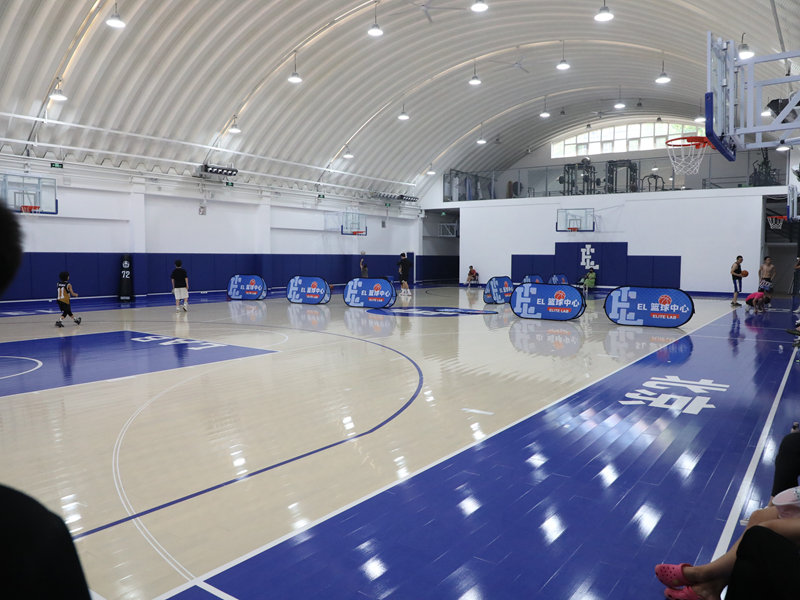
When it comes to choosing flooring for sports facilities, there are several options available, each with its own set of advantages and disadvantages. Sports wood flooring is a popular choice, but how does it compare to other flooring options like synthetic surfaces, rubber flooring, or concrete? Let's take a closer look:
- Durability: Sports wood flooring is known for its durability and longevity. With proper maintenance, a well-constructed sports wood floor can last for decades, requiring only occasional refinishing and repairs. In contrast, synthetic surfaces may wear out more quickly, especially in high-traffic areas, and may require more frequent replacement. Rubber flooring is also durable but can be prone to tearing or puncturing under heavy use. Concrete, while extremely durable, lacks the shock-absorbing properties of wood and can be harsh on athletes' joints.
- Performance: Sports wood flooring provides optimal performance for a wide range of sports activities. Its natural elasticity, combined with advanced subfloor systems, offers shock absorption and energy return properties that enhance athletic efficiency and reduce the risk of injury. Synthetic surfaces may offer similar performance characteristics but can vary widely in quality and consistency. Rubber flooring is excellent for shock absorption but may lack the energy return properties of wood, making it less suitable for high-performance sports. Concrete, as mentioned earlier, lacks shock absorption and can be detrimental to athletic performance.
- Aesthetics: Sports wood flooring offers a natural, elegant appearance that enhances the overall ambiance of a sports facility. Its warm tones and smooth finish create a welcoming and professional atmosphere for athletes and spectators alike. Synthetic surfaces and rubber flooring, while functional, may lack the aesthetic appeal of wood and can appear artificial or industrial. Concrete, while versatile in terms of color and finish, can appear cold and uninviting in a sports setting.
- Maintenance: Sports wood flooring requires regular maintenance to keep it in excellent condition. This includes daily sweeping or vacuuming, weekly mopping, and periodic refinishing. While this may seem like a lot of work, the long-term benefits of a well-maintained sports wood floor far outweigh the initial investment in maintenance. Synthetic surfaces and rubber flooring may require less frequent maintenance but can be more difficult to clean and repair when damaged. Concrete, while easy to clean, can be prone to staining and may require specialized cleaning products to maintain its appearance.
- Cost: The initial cost of sports wood flooring may be higher than other flooring options, especially when considering the cost of high-quality hardwood and advanced subfloor systems. However, the long-term cost savings associated with its durability and longevity make it a cost-effective choice in the long run. Synthetic surfaces and rubber flooring may have lower initial costs but may require more frequent replacement or repairs, increasing their overall cost over time. Concrete, while inexpensive to install, lacks the performance and aesthetic benefits of wood and may not be suitable for all sports activities.
In conclusion, sports wood flooring offers a unique combination of durability, performance, aesthetics, and long-term cost savings that make it a popular choice for sports facilities. While other flooring options may have their own advantages, sports wood flooring remains a superior choice for those seeking a high-quality, safe, and visually appealing surface for athletic activities.
Leave a Reply