

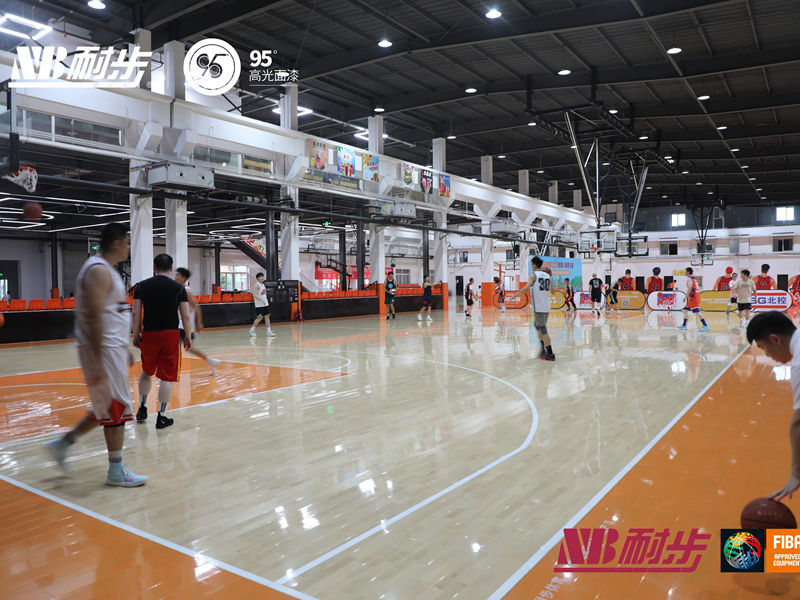
Choosing the right wood flooring for an indoor basketball court is a decision that requires careful consideration of several factors, including durability, performance, safety, and cost. With a wide range of options available, it's essential to understand the characteristics of each type of wood and how they align with the specific needs of your facility.
One of the most common types of wood used for basketball court flooring is maple. Maple is renowned for its hardness, durability, and resistance to wear and tear, making it an ideal choice for high-traffic areas like basketball courts. Its tight grain pattern and uniform texture provide a smooth and consistent playing surface that enhances ball bounce and player movement. Additionally, maple's natural light color and ability to take on a high-gloss finish make it an attractive option for those looking to create a professional-looking court.
Another popular choice is oak, which offers similar durability and performance characteristics to maple but with a slightly different aesthetic. Oak has a more pronounced grain pattern and a warmer, richer color that can add a touch of elegance to any basketball court. While oak may not be as hard as maple, it still provides a reliable and long-lasting playing surface that can withstand the rigors of regular use.
When selecting wood flooring for an indoor basketball court, it's also important to consider the subfloor system. A well-designed subfloor is crucial for providing the necessary support and shock absorption to protect the wood flooring and ensure optimal performance. Many modern subfloor systems incorporate rubber or foam padding to enhance cushioning and reduce the impact on athletes' joints and muscles. These systems can also help to minimize noise and vibration, creating a more comfortable and enjoyable playing environment.
In addition to the type of wood and subfloor system, the finish of the flooring is another critical factor to consider. A high-quality finish not only enhances the appearance of the wood but also provides a protective layer that helps to prevent scratches, stains, and other damage. Polyurethane finishes are a popular choice for basketball court flooring due to their durability and resistance to wear and tear. They can be applied in a variety of sheens, from matte to high gloss, allowing you to customize the look of your court to match your preferences.
Cost is another important consideration when selecting wood flooring for an indoor basketball court. While maple and oak are both high-quality options, they can vary significantly in price depending on the grade and finish of the wood. It's essential to balance your budget with your performance and aesthetic requirements to ensure that you get the best value for your investment. Additionally, considering the long-term maintenance and replacement costs can help you make a more informed decision about which type of wood flooring is right for your facility.
In conclusion, selecting the right wood flooring for your indoor basketball court requires careful consideration of several factors, including the type of wood, subfloor system, finish, and cost. By understanding the characteristics of each option and aligning them with your specific needs, you can create a safe, high-performance, and aesthetically pleasing playing environment that will serve your facility for years to come.
Leave a Reply