

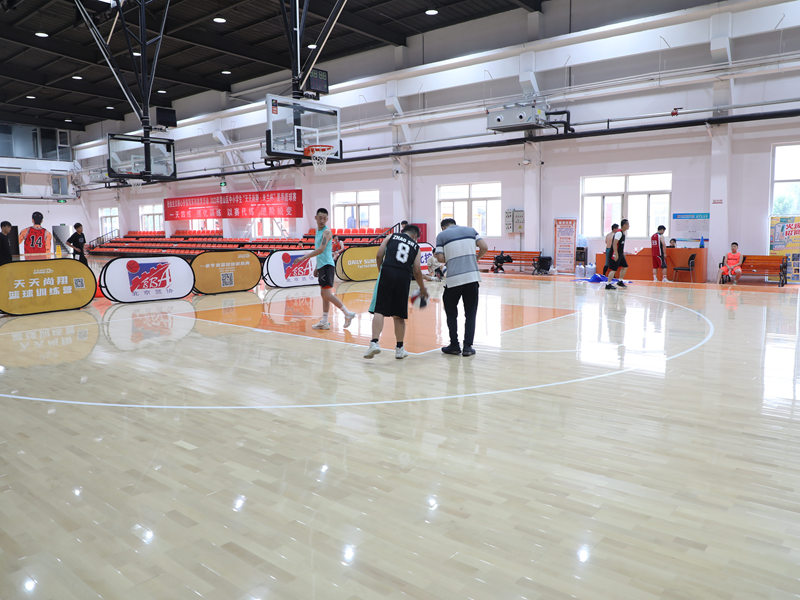
Proper maintenance and care are essential for ensuring the longevity and performance of indoor sports wood flooring. While wood floors are known for their durability and resilience, they require regular attention to maintain their optimal condition and prevent damage. By following a few simple guidelines, sports facility managers can extend the lifespan of their wood flooring and ensure that it continues to provide a safe, high-performance surface for athletes.
One of the most important aspects of maintaining indoor sports wood flooring is regular cleaning. Dust, dirt, and debris can accumulate on the surface over time, creating a abrasive layer that can scratch or damage the finish. To prevent this, floors should be swept or vacuumed daily, using a soft-bristled broom or a vacuum cleaner with a hardwood floor attachment. Additionally, floors should be mopped periodically with a damp (not wet) mop and a mild, pH-neutral cleaner specifically designed for wood floors. Avoid using harsh chemicals or abrasive cleaners, as these can strip the finish and damage the wood.
Another crucial aspect of wood floor maintenance is protecting the surface from moisture. Wood is a natural material that can expand or contract in response to changes in humidity levels. To prevent warping, cupping, or other moisture-related issues, sports facilities should maintain a consistent indoor humidity level between 35% and 55%. This can be achieved through the use of humidifiers or dehumidifiers, depending on the climate and season. Additionally, any spills or leaks should be cleaned up immediately to prevent water from seeping into the wood and causing damage.
In addition to regular cleaning and moisture control, indoor sports wood flooring also requires periodic refinishing to maintain its appearance and performance. Over time, the finish on wood floors can become worn or scratched, reducing its ability to protect the wood and provide traction. Refinishing involves sanding down the surface to remove the old finish, applying a new stain or sealant, and then applying a fresh coat of finish. This process not only restores the floor’s appearance but also enhances its durability and safety. The frequency of refinishing depends on the amount of use the floor receives, but it is generally recommended every 5-10 years for high-traffic areas.
Finally, it is important to protect indoor sports wood flooring from heavy furniture, equipment, and sharp objects. Dragging or dropping heavy items on the floor can cause dents, scratches, or gouges that are difficult to repair. To prevent this, use furniture pads or coasters under heavy items, and avoid walking on the floor with cleats or other sharp-edged footwear. Additionally, place mats or rugs at entryways to catch dirt and debris before it can be tracked onto the floor.
In conclusion, proper maintenance and care are essential for ensuring the longevity and performance of indoor sports wood flooring. By following these guidelines, sports facility managers can keep their floors looking and performing their best for years to come.
Leave a Reply