

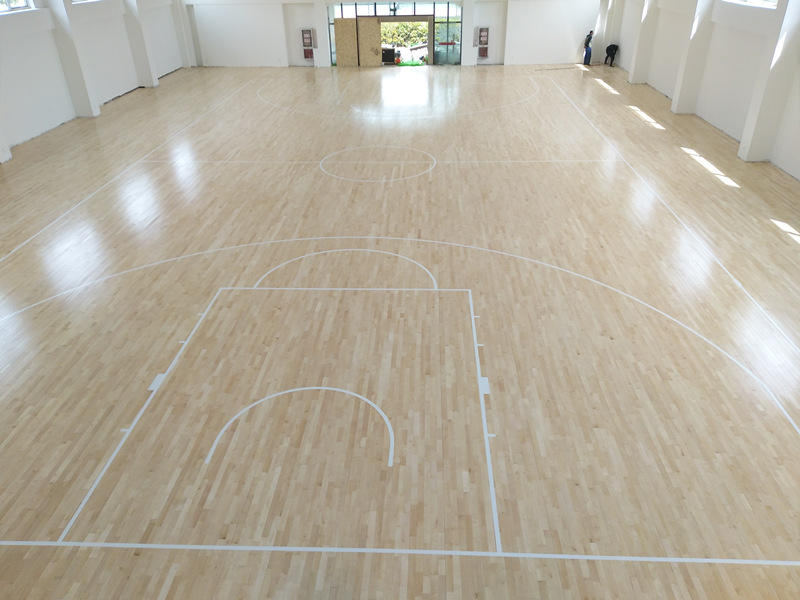
Maintaining sports wood flooring is essential for ensuring its longevity, performance, and safety. Regular maintenance not only keeps the floor looking its best but also prevents damage and extends its useful life. Here are some tips and best practices for maintaining sports wood flooring.
First and foremost, it's important to establish a regular cleaning schedule. This should include daily sweeping or vacuuming to remove dirt, dust, and debris that can scratch the surface of the floor. For deeper cleaning, use a damp mop with a mild, pH-neutral cleaner specifically designed for wood floors. Avoid using harsh chemicals or abrasive cleaners, as these can damage the finish and compromise the floor's performance.
In addition to regular cleaning, sports wood floors should be inspected periodically for signs of wear or damage. Look for scratches, gouges, or areas where the finish is wearing thin. These issues should be addressed promptly to prevent further damage and maintain the floor's safety and performance. Small scratches can often be repaired with a touch-up kit, while more significant damage may require professional refinishing.
Another important aspect of maintaining sports wood flooring is controlling the environment. Wood is a natural material that expands and contracts with changes in temperature and humidity. To prevent warping, cracking, or cupping, it's essential to maintain a stable indoor environment with consistent temperature and humidity levels. This may require the use of HVAC systems, dehumidifiers, or humidifiers, depending on the climate and season.
Finally, it's important to protect sports wood floors from heavy furniture, equipment, and foot traffic. Use felt pads or coasters under furniture legs to prevent scratches, and avoid dragging heavy objects across the floor. Encourage athletes and staff to wear appropriate footwear, such as non-marking shoes, to minimize wear and tear. Consider using floor mats or rugs in high-traffic areas to provide additional protection.
In conclusion, maintaining sports wood flooring requires regular cleaning, inspection, environmental control, and protection from damage. By following these tips and best practices, facilities can ensure that their sports wood floors remain safe, durable, and aesthetically pleasing for years to come.
Leave a Reply