

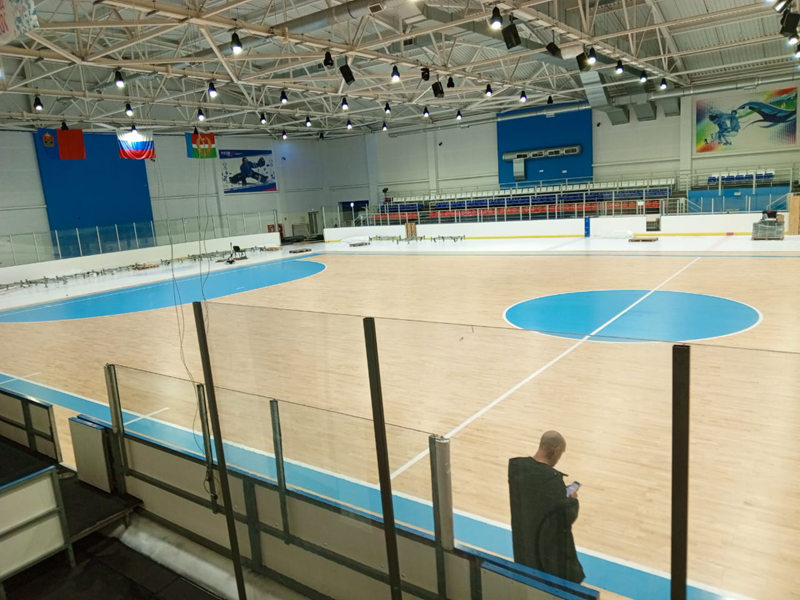
Maintaining sports wood flooring is essential to ensure its longevity, performance, and safety. Regular maintenance can help to prevent damage, extend the lifespan of the floor, and keep it looking its best for years to come. Here are some best practices for maintaining sports wood flooring:
- Daily Cleaning: Sweep the floor daily to remove dirt, dust, and debris. Use a soft-bristled broom or a microfiber mop to avoid scratching the surface. For more thorough cleaning, use a damp mop with a mild, pH-neutral cleaner specifically designed for wood floors. Avoid using excessive water, as this can cause the wood to swell and warp.
- Spot Cleaning: Immediately clean up spills and stains to prevent them from penetrating the wood and causing permanent damage. Use a clean, damp cloth to blot up the spill, then follow up with a mild cleaner if necessary. Avoid using harsh chemicals or abrasive cleaners, as these can damage the finish and the wood itself.
- Regular Inspections: Conduct regular inspections of the sports floor to check for signs of wear, damage, or moisture problems. Look for scratches, gouges, or areas where the finish may be wearing thin. Also, check for signs of moisture, such as discoloration or warping, which can indicate a leak or high humidity levels.
- Refinishing: Over time, the finish on sports wood flooring will wear down, exposing the wood to damage and making it more susceptible to stains and scratches. Refinishing the floor involves sanding down the surface to remove the old finish, then applying a new coat of finish to protect the wood and restore its appearance. The frequency of refinishing will depend on the amount of use the floor receives and the quality of the finish, but it is generally recommended every 5-10 years.
- Preventative Maintenance: Take steps to prevent damage to the sports floor by implementing rules and guidelines for its use. For example, prohibit the use of high-heeled shoes or cleats on the floor, as these can cause scratches and gouges. Also, place mats or rugs at entrances to reduce the amount of dirt and debris tracked onto the floor.
- Humidity Control: Maintain proper humidity levels in the sports facility to prevent the wood from expanding or contracting due to changes in moisture. Use a dehumidifier or humidifier as needed to keep the humidity levels between 35% and 55%. This will help to prevent warping, cupping, and other moisture-related problems.
By following these best practices for maintaining sports wood flooring, you can ensure that it remains safe, durable, and aesthetically pleasing for years to come. Regular cleaning, inspections, refinishing, and preventative maintenance are all essential components of a comprehensive maintenance plan that will protect your investment and provide a high-quality playing surface for athletes.
Leave a Reply