

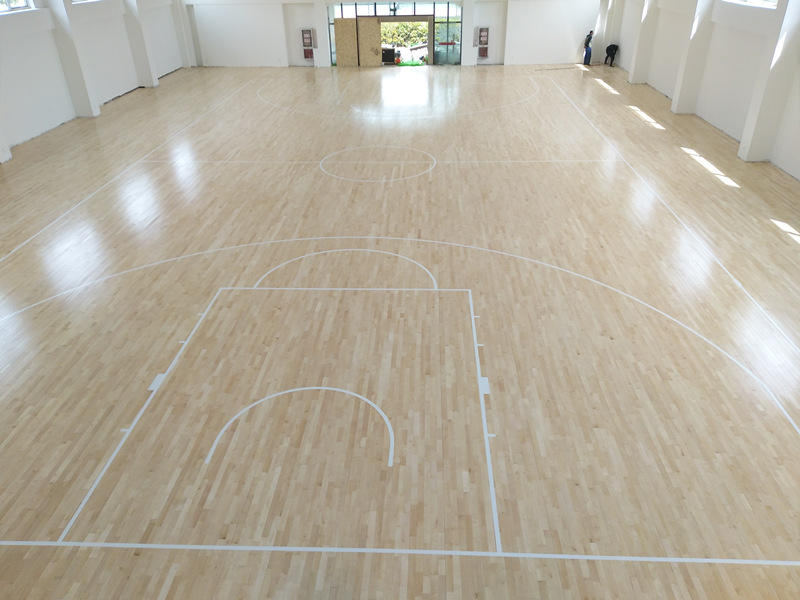
Proper maintenance is essential to ensure the longevity and optimal performance of indoor sports wood flooring. Regular upkeep not only extends the life of the floor but also maintains its safety and aesthetic appeal, providing a high - quality playing surface for athletes.
One of the most basic yet crucial maintenance tasks is daily cleaning. Dust, dirt, and debris can accumulate on the floor surface over time, which can affect the traction and overall performance. A soft - bristled broom or a microfiber mop should be used to sweep the floor regularly to remove these particles. Avoid using harsh brooms or abrasive materials that can scratch the wood surface.
In addition to daily sweeping, a more thorough cleaning should be carried out on a weekly or monthly basis, depending on the level of use. A specially formulated sports floor cleaner should be used, following the manufacturer's instructions. These cleaners are designed to remove dirt, sweat, and other contaminants without damaging the wood or the finish. It is important to avoid using excessive water during cleaning, as moisture can seep into the wood and cause warping or rotting. Instead, use a damp mop and dry the floor immediately after cleaning.
Regular inspection of the floor is also necessary to identify any signs of damage or wear and tear. Look for cracks, scratches, loose boards, or areas where the finish is wearing off. Small cracks and scratches can be repaired using wood filler and sanding, followed by refinishing. Loose boards should be re - nailed or screwed down to prevent further movement and potential injuries. If the finish is wearing off, it may be necessary to refinish the entire floor or the affected areas to restore its protective layer and aesthetic appearance.
The shock - absorbing layer of the flooring system also requires attention. Over time, the shock - absorbing pads or foam may lose their elasticity, reducing their ability to absorb impact. Regular inspection of this layer can help identify any signs of degradation. If necessary, the shock - absorbing layer should be replaced to maintain the floor's safety and performance characteristics.
Another important aspect of maintenance is controlling the environment in which the floor is located. Indoor sports wood flooring is sensitive to changes in temperature and humidity. Extreme fluctuations can cause the wood to expand or contract, leading to warping, cracking, or gaps between the boards. It is recommended to maintain a stable indoor environment with a temperature range of 60 - 80 degrees Fahrenheit and a humidity level of 35 - 55 percent. Using dehumidifiers or humidifiers as needed can help regulate the humidity levels.
Finally, it is advisable to establish a regular maintenance schedule and keep records of all maintenance activities. This can help track the condition of the floor over time and ensure that all necessary maintenance tasks are carried out in a timely manner. By following these maintenance guidelines, sports facility owners can ensure that their indoor sports wood flooring remains in top condition, providing a safe and high - performance environment for athletes for many years to come.
Leave a Reply