

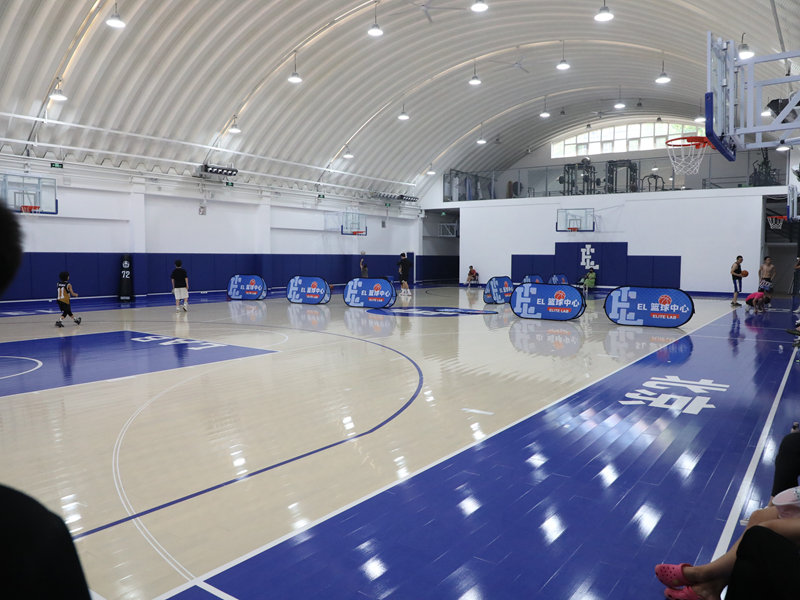
Maintaining and refinishing sports wood flooring is essential to ensure its longevity, safety, and performance. Here's a comprehensive guide for venue owners on how to properly care for their sports wood floors.
Regular cleaning is the first step in maintaining sports wood flooring. Dust, dirt, and debris can accumulate on the surface, scratching the finish and compromising the floor's grip. Use a soft-bristled broom or vacuum cleaner with a hard floor attachment to remove loose particles regularly. For deeper cleaning, use a damp mop with a mild, pH-neutral cleaner specifically designed for wood floors. Avoid using excessive water or harsh chemicals, as these can damage the wood.
In addition to regular cleaning, sports wood flooring should be inspected periodically for signs of wear or damage. Look for scratches, gouges, or areas where the finish is wearing thin. These issues should be addressed promptly to prevent further damage and maintain the floor's appearance and performance.
Refinishing is an important part of maintaining sports wood flooring, especially in high-traffic areas. Over time, the finish on the floor can become worn or dull, reducing its grip and aesthetic appeal. Refinishing involves sanding down the surface to remove the old finish, applying a new coat of stain or paint, and then sealing it with a protective finish. This process can restore the floor's original luster and performance characteristics, extending its life and enhancing its value.
It's also important to protect sports wood flooring from environmental factors such as humidity and temperature changes. Wood is a natural material that expands and contracts with fluctuations in moisture levels, so proper ventilation and climate control are essential to prevent warping or cracking. Use dehumidifiers or humidifiers as needed to maintain a consistent humidity level in the venue.
Finally, establish a regular maintenance schedule and stick to it. Consistent care and attention will help keep your sports wood floor in top condition, reducing the need for costly repairs or replacements down the line.
Leave a Reply