

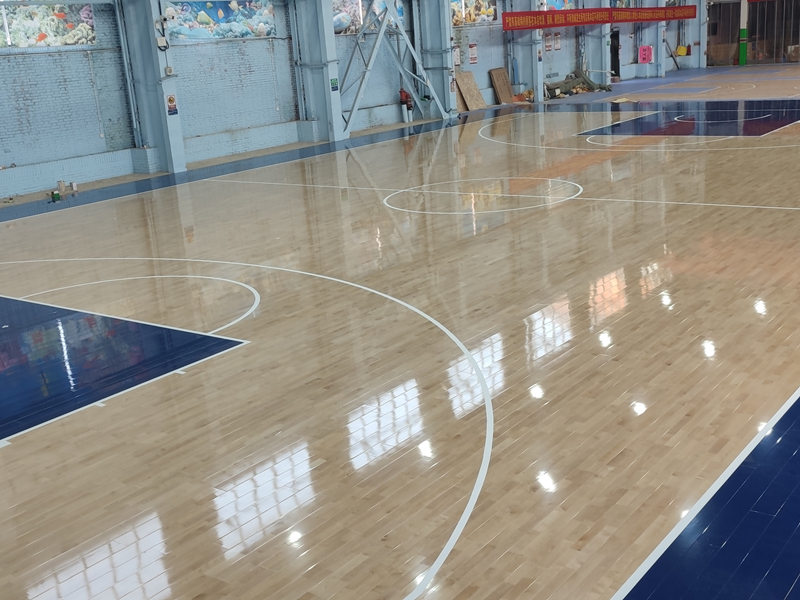
Maintaining and caring for your sports wood flooring is essential to ensure its longevity, performance, and safety. By following best practices and tips for cleaning, protecting, and repairing your floor, you can keep it in top condition for years to come.
Regular Cleaning:
Regular cleaning is crucial to prevent dirt, dust, and debris from accumulating on the surface of your sports wood floor. Use a soft-bristled broom or a vacuum cleaner with a soft brush attachment to gently sweep the floor daily. Avoid using harsh chemicals or abrasive cleaners that can damage the finish or the wood itself. Instead, opt for a mild, pH-neutral cleaner specifically designed for wood floors.
Protecting the Floor:
Protecting your sports wood floor from scratches, dents, and other damage is also important. Place mats or rugs at entryways to prevent dirt and debris from being tracked onto the floor. Use furniture pads or coasters under heavy equipment or furniture to prevent them from scratching or denting the surface. Additionally, avoid wearing shoes with sharp or hard soles on the floor, as these can also cause damage.
Addressing Spills and Stains:
Spills and stains should be addressed immediately to prevent them from penetrating the finish and damaging the wood. Use a clean, damp cloth to blot up spills as soon as they occur. For stubborn stains, use a mild cleaner specifically designed for wood floors and follow the manufacturer's instructions carefully. Avoid using excessive water or allowing spills to sit on the floor for extended periods, as this can cause the wood to swell or warp.
Refinishing and Resurfacing:
Over time, the finish on your sports wood floor may become worn or damaged, requiring refinishing or resurfacing. Refinishing involves sanding down the surface of the floor to remove the old finish and then applying a new finish to protect the wood. Resurfacing, on the other hand, involves replacing the top layer of hardwood with a new one. Both processes should be carried out by a professional with experience in sports wood flooring to ensure a high-quality result.
Regular Inspections:
Regular inspections of your sports wood floor can help identify potential issues before they become major problems. Look for signs of wear and tear, such as scratches, dents, or uneven surfaces. Check for loose or damaged boards that may need to be repaired or replaced. Additionally, inspect the underlayment and subfloor for signs of moisture or damage that could affect the stability of the floor.
In conclusion, maintaining and caring for your sports wood flooring requires regular cleaning, protection, and inspections. By following best practices and tips for cleaning, addressing spills and stains, refinishing and resurfacing, and conducting regular inspections, you can keep your floor in top condition for years to come, ensuring its longevity, performance, and safety.
Leave a Reply