

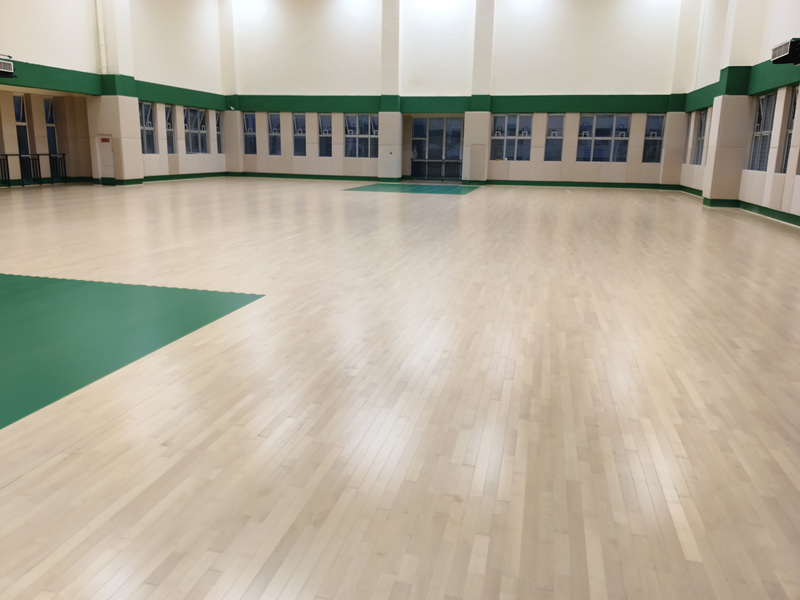
Proper maintenance and care are essential for ensuring the longevity and performance of sports wood flooring. While these floors are designed to withstand the rigors of athletic activities, they still require regular upkeep to maintain their appearance and functionality. This article provides best practices and tips for maintaining and caring for sports wood flooring, helping you keep your athletic facility in top condition.
Daily Maintenance
Daily maintenance is crucial for preventing dirt, dust, and debris from accumulating on the surface of the sports wood floor. Start by sweeping or vacuuming the floor to remove loose particles. Be sure to use a soft-bristled broom or a vacuum cleaner with a hardwood floor attachment to avoid scratching the surface.
After sweeping, mop the floor with a damp (not wet) mop and a mild, pH-neutral cleaner specifically designed for hardwood floors. Avoid using harsh chemicals or abrasive cleaners, as these can damage the finish and wood. Rinse the mop frequently to ensure you are not spreading dirt or grime around the floor.
Weekly and Monthly Maintenance
In addition to daily cleaning, sports wood flooring requires more thorough maintenance on a weekly or monthly basis. This includes inspecting the floor for any signs of damage, such as scratches, dents, or loose planks. Address any issues promptly to prevent further damage and ensure the safety of athletes.
Once a month, consider applying a high-quality hardwood floor polish or wax to protect the surface and enhance its shine. Be sure to follow the manufacturer's instructions carefully, as some products may require specific application methods or drying times.
It's also a good idea to inspect the subfloor and cushioning materials periodically. Check for any signs of wear or compression, and replace any damaged components as needed. This will help maintain the shock-absorbing properties of the floor and ensure optimal performance.
Preventative Measures
Taking preventative measures can significantly extend the lifespan of your sports wood flooring. One of the most important steps is to place mats or rugs at entryways to prevent dirt and moisture from being tracked onto the floor. Encourage athletes and visitors to wipe their feet before entering the facility to minimize the amount of debris that comes into contact with the floor.
Another preventative measure is to use appropriate footwear on the sports wood floor. Shoes with hard soles or cleats can scratch and damage the surface, so it's important to require athletes to wear non-marking, athletic shoes that are designed for indoor use.
Additionally, avoid dragging heavy equipment or furniture across the floor, as this can cause scratches and gouges. If you need to move something, lift it carefully or use furniture pads or dollies to protect the floor.
Professional Maintenance
While regular at-home maintenance is essential, it's also important to schedule professional maintenance services periodically. A professional flooring contractor can perform a deep clean, inspect the floor for any hidden damage, and apply specialized treatments to restore the floor's appearance and performance.
Professional maintenance services may include sanding and refinishing the floor to remove scratches and restore the finish, as well as replacing any damaged planks or subfloor components. These services can be costly, but they are a worthwhile investment in the long-term health and durability of your sports wood flooring.
In conclusion, maintaining and caring for sports wood flooring requires a combination of daily, weekly, and monthly maintenance tasks, as well as preventative measures and professional services. By following these best practices and tips, you can ensure that your athletic facility's sports wood flooring remains in top condition, providing a safe and high-performance surface for athletes for years to come.
Leave a Reply