

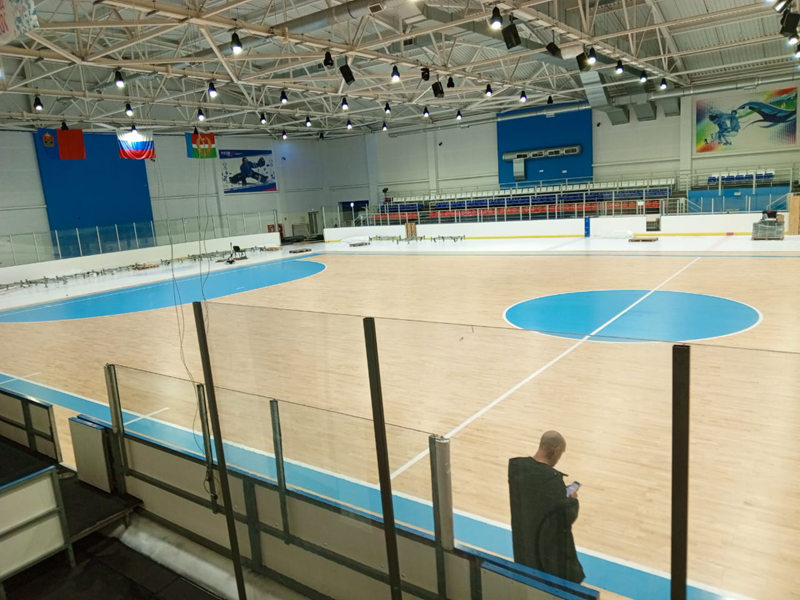
Proper maintenance and care are essential for ensuring the longevity and performance of sports wood flooring. Regular cleaning, inspection, and repair can help to prevent damage, extend the life of the floor, and maintain its aesthetic appeal. In this article, we will discuss some best practices for maintaining and caring for sports wood flooring.
Regular Cleaning:
Regular cleaning is crucial for keeping sports wood flooring in good condition. Dirt, dust, and debris can accumulate on the surface, causing scratches and wear over time. It is recommended to sweep or vacuum the floor daily to remove loose particles. For deeper cleaning, a damp mop with a mild, pH-neutral cleaner can be used. Avoid using harsh chemicals or abrasive cleaners, as these can damage the finish and the wood itself.
Inspection and Repair:
Regular inspection of the sports wood floor is important for identifying any signs of damage or wear. Look for cracks, splits, or areas where the finish is wearing thin. These issues should be addressed promptly to prevent further damage. Small cracks or splits can often be repaired using wood filler or putty, while larger areas of damage may require replacement of the affected planks or panels.
Protecting the Floor:
There are several steps that can be taken to protect sports wood flooring from damage. Place mats or rugs at entryways to prevent dirt and moisture from being tracked onto the floor. Avoid dragging heavy equipment or furniture across the floor, as this can cause scratches or gouges. Use felt pads or furniture protectors under the legs of chairs, tables, and other heavy items to prevent them from damaging the floor when moved.
Refinishing:
Over time, the finish on sports wood flooring may become worn or dull. Refinishing the floor can restore its original beauty and protect the wood from further damage. Refinishing typically involves sanding down the surface to remove the old finish, applying a new stain if desired, and then sealing the floor with a protective coat. This process should be done by a professional to ensure that it is done correctly and that the floor is not damaged during the refinishing process.
Climate Control:
Maintaining a consistent indoor climate is important for preventing damage to sports wood flooring. Extreme changes in temperature or humidity can cause the wood to expand or contract, leading to warping, cracking, or splitting. It is recommended to keep the indoor temperature between 60-80°F (15-27°C) and the humidity level between 30-50%. Using a dehumidifier or humidifier can help to maintain the proper humidity level in the facility.
In conclusion, maintaining and caring for sports wood flooring requires regular cleaning, inspection, and repair, as well as taking steps to protect the floor from damage. By following these best practices, facility managers can ensure that their sports wood floors remain in good condition for many years, providing a safe and enjoyable environment for athletes and spectators alike.
Leave a Reply